Moisture readings and mapping
Meters and a thermal scan show where materials are still wet and roughly how far the damp travels from the source. That boundary is what decides the size of the job.
An inspection answers two questions: where is the water coming from, and how much material is wet. An independent provider should take moisture readings, look at the likely sources in a desert home and write down what was found before any removal is priced.
In Phoenix the visible patch is often the smallest part of the problem. Stucco and block walls hide moisture behind the drywall, and a slab home spreads water sideways under flooring rather than down into a basement.
The inspection should tell you where the moisture is now, how far it reaches and what is likely feeding it — not simply that mold exists.
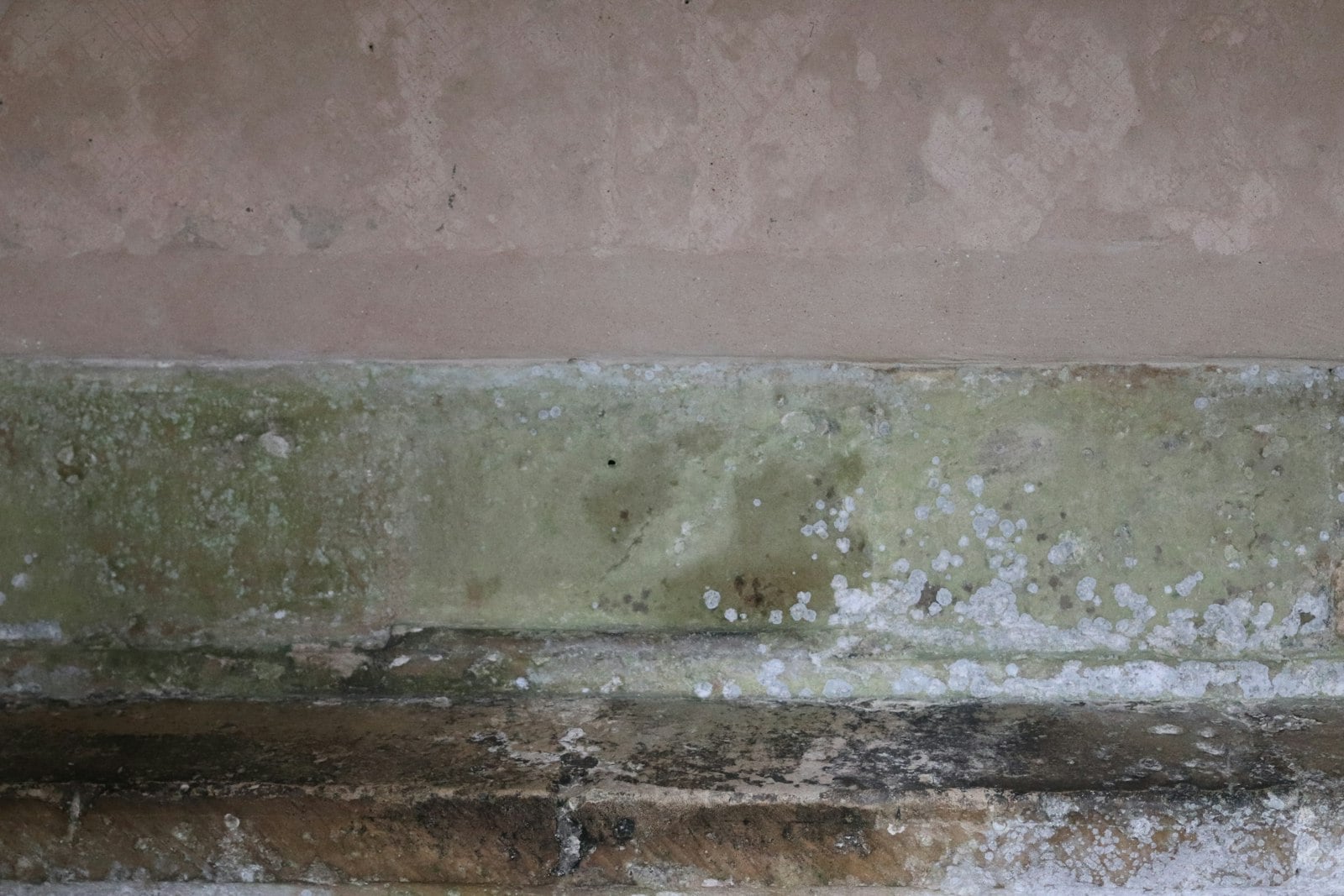
Not every property needs every step. Ask the provider to separate what is needed to understand the problem from optional testing you may or may not want.
Meters and a thermal scan show where materials are still wet and roughly how far the damp travels from the source. That boundary is what decides the size of the job.
Condensate drain lines and air handler pans, roof and parapet details after monsoon rain, supply lines under the slab, refrigerator and reverse osmosis lines, and irrigation soaking a wall from outside.
Photographs, readings and a plain-language description of what was found, so a second opinion or an insurance conversation has something to work from.
Air or surface sampling is useful in some situations and not in others. If growth is visible and a wet material has been located, sampling rarely changes what has to be removed. It is more useful when nothing is visible, when a tenant and an owner disagree, or when someone wants a record before and after the work.
There is no state mold license in Arizona, so ask what standards and training a company follows and whether its findings are written down. Verify the qualifications, licenses and insurance of any provider.
If the inspection finds growth, the next step is usually mold removal and remediation, or drying and cleanup after water damage when materials are still wet. Read removal versus remediation so the quote makes sense, and check your city on the service areas page.
Size and access drive it: a single bathroom is a short visit, while a two-story home with attic access and several suspected areas takes longer. Ask the provider to confirm the scope and the price before the appointment rather than after.
If growth is visible and the wet material has been found, testing usually does not change the work. It helps when nothing is visible, when a record is needed for a sale or a rental dispute, or when you want a comparison after the cleanup. Ask the provider which situation you are in.
Yes. Pre-purchase inspections are common in Phoenix, especially on older homes with evaporative coolers or added-on rooms. Have any disclosure paperwork ready and ask the provider what can be reached without opening walls. See how the service works.
Leave the area as it is. Do not paint over a stain, run a bleach spray or pull up wet flooring — all three make the moisture harder to trace. Clear access to the air handler closet and the attic hatch if you safely can.
Call about an inspection and ask for the findings in writing before any removal is quoted.