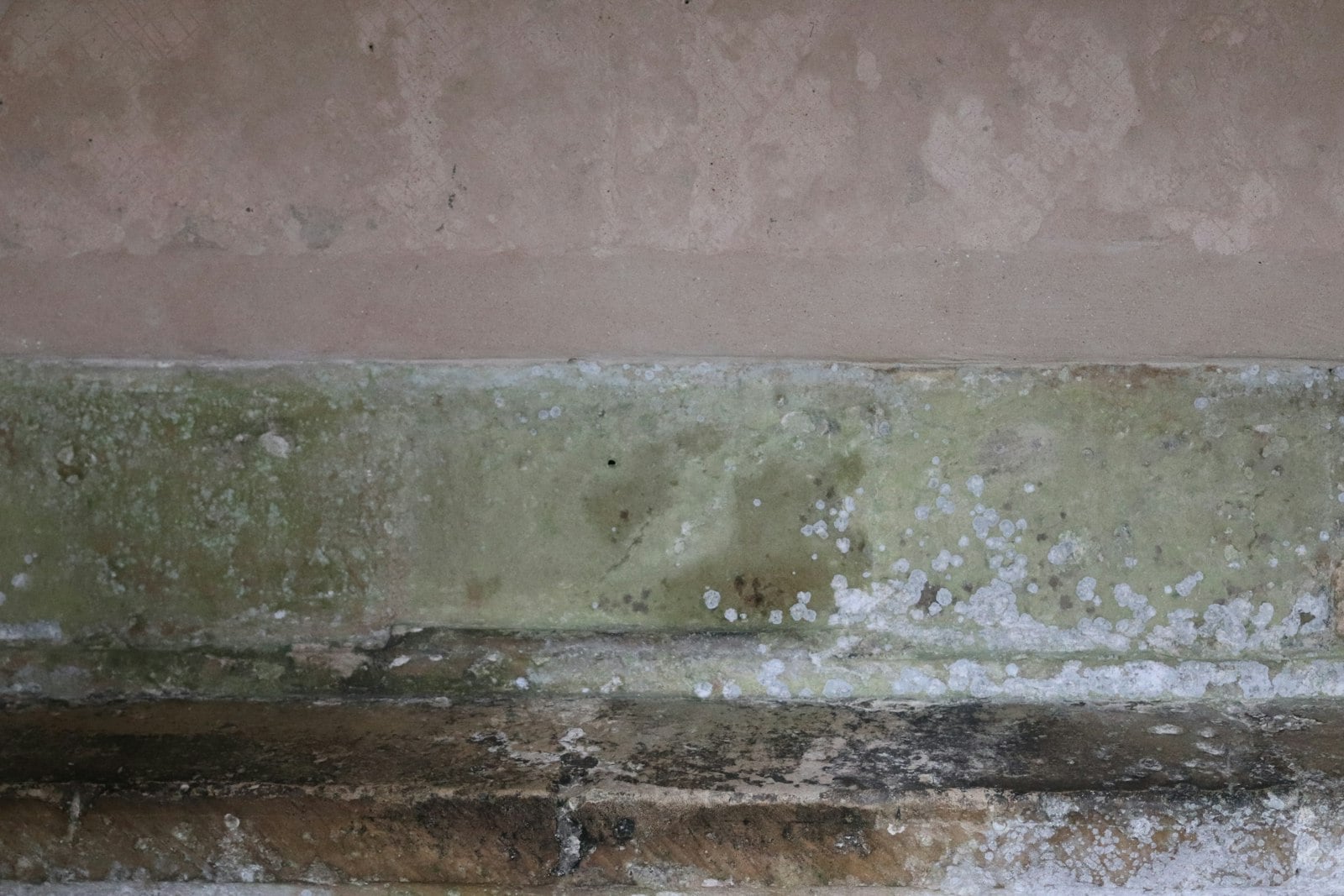
Mold Inspection
Somebody has to find the wet material and measure how far the damp runs before a cleanup can be priced.
Mold InspectionPeople assume a desert city cannot have a mold problem. Mold does not need humid air - it needs a wet material, and a blocked air conditioning drain, a monsoon roof leak or a supply line under a slab will keep drywall damp for weeks. An independent provider should find the water first, then put the cleanup in writing.
Somebody has to find the wet material and measure how far the damp runs before a cleanup can be priced.
Mold Inspection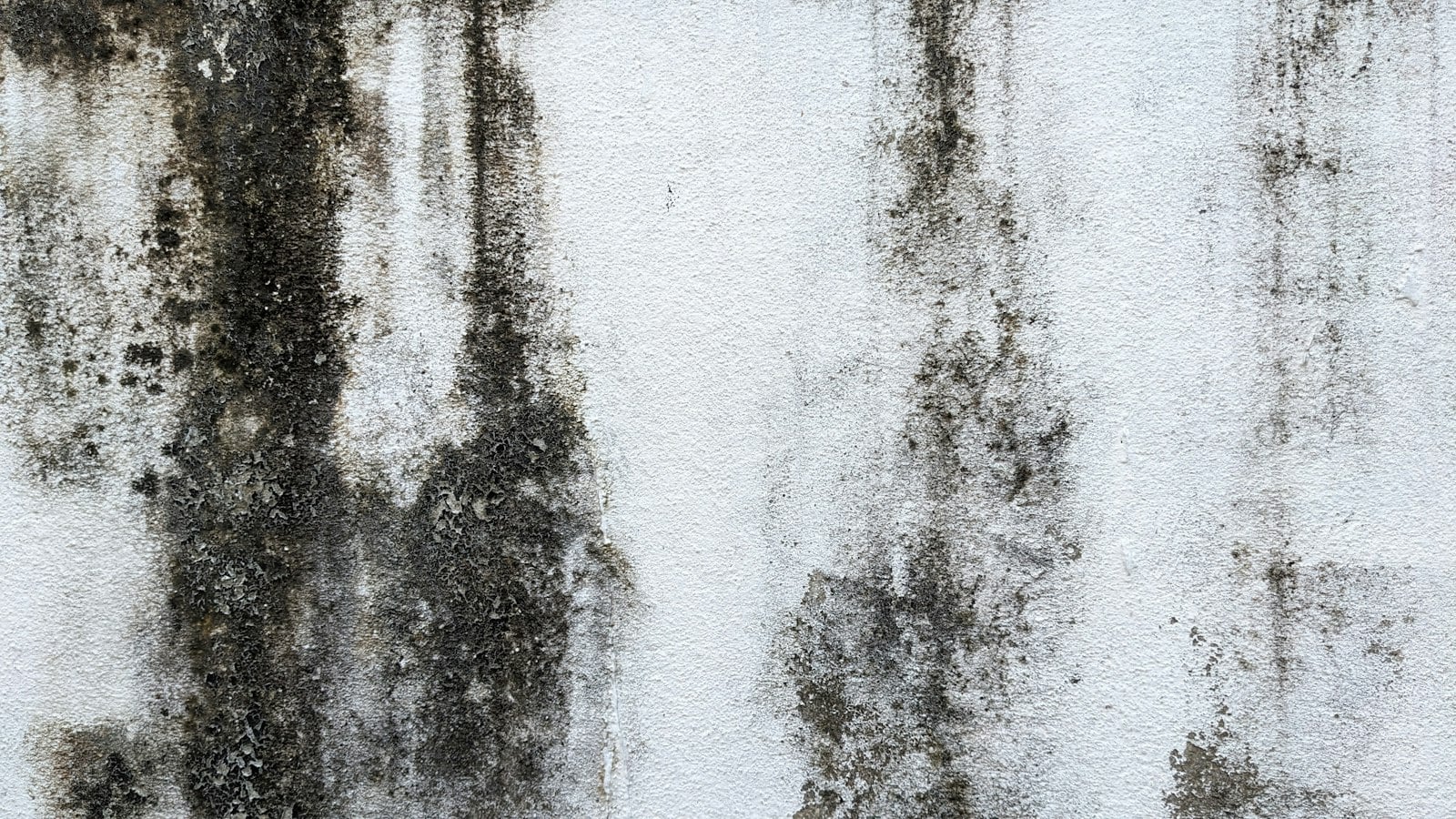
Sealed work areas, filtered air and bagged debris keep spores out of the rooms you are still living in.
Mold Removal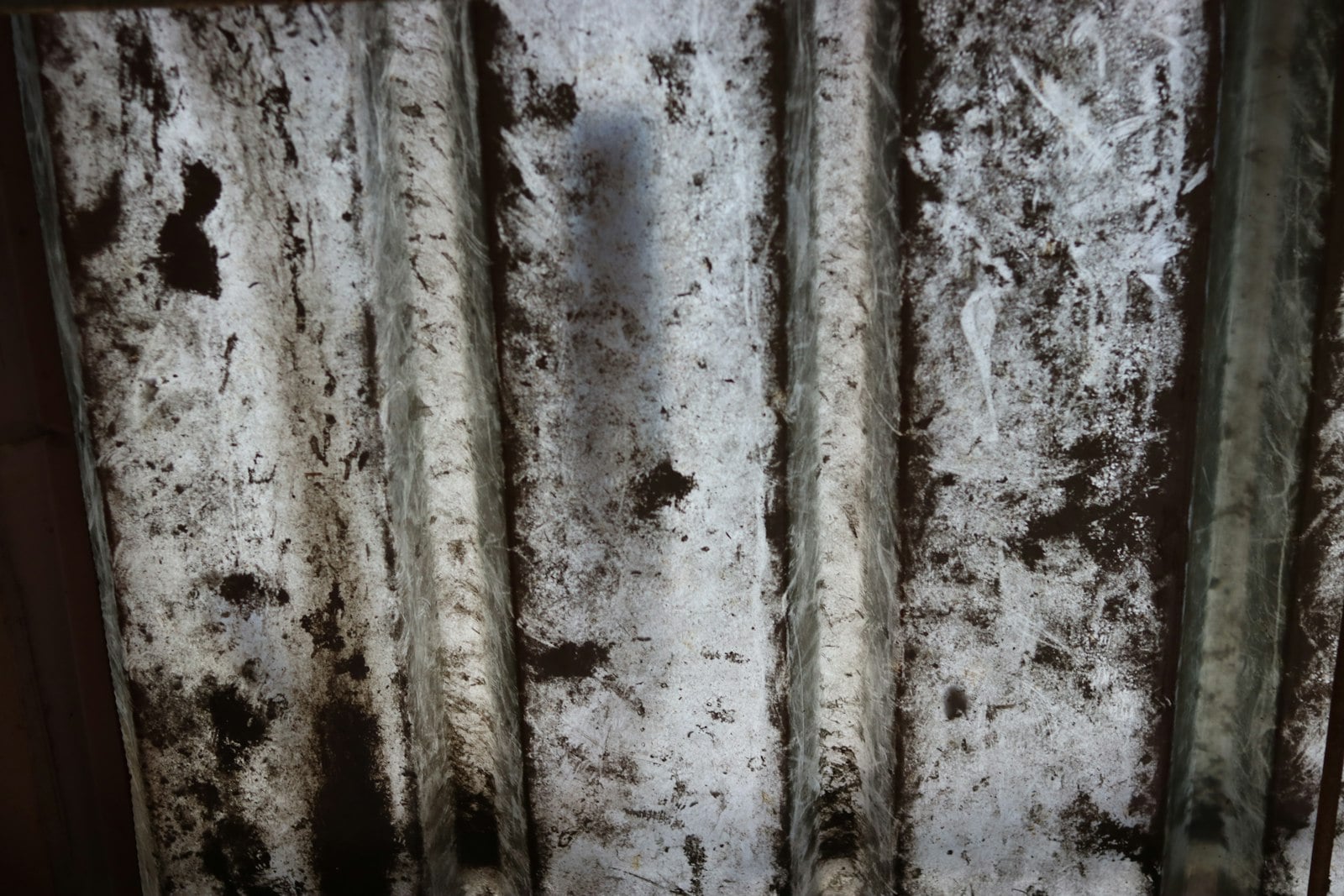
Dark growth on long-wet material gets the same careful handling, whatever a lab would eventually call it.
Black Mold Removal
A Phoenix attic runs from cooled air below to punishing summer heat above, and sweating duct work leaves marks.
Attic Mold Remediation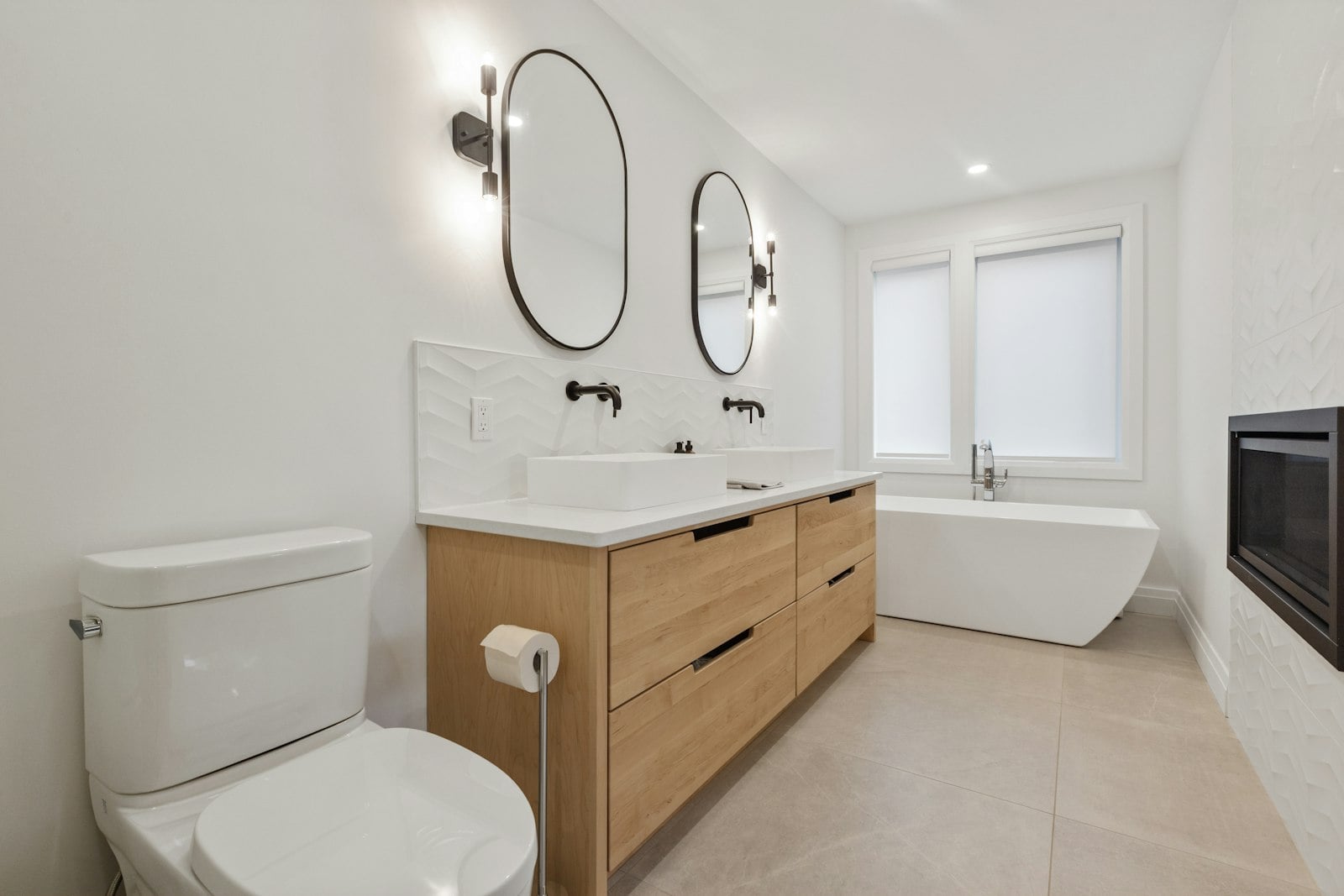
Growth at a shower pan, a vanity base or the back of a sink cabinet is rarely only surface deep.
Bathroom and Kitchen Mold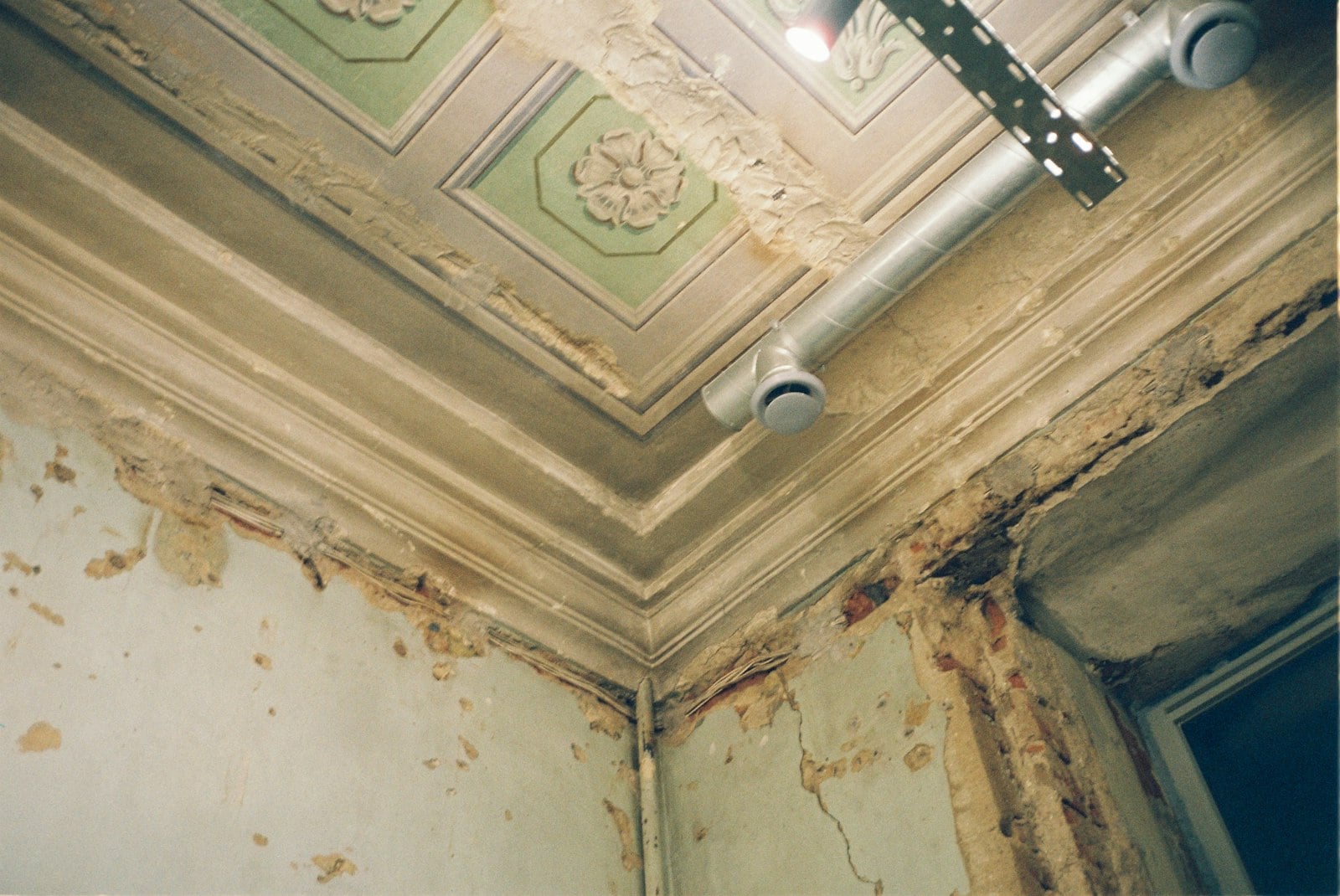
Wet drywall, wet insulation and wet flooring left in place are where growth starts after a leak or a storm.
Mold After Water Damage
Offices, rentals and storefronts need work phased around tenants, staff and the hours the doors stay open.
Commercial Mold Remediation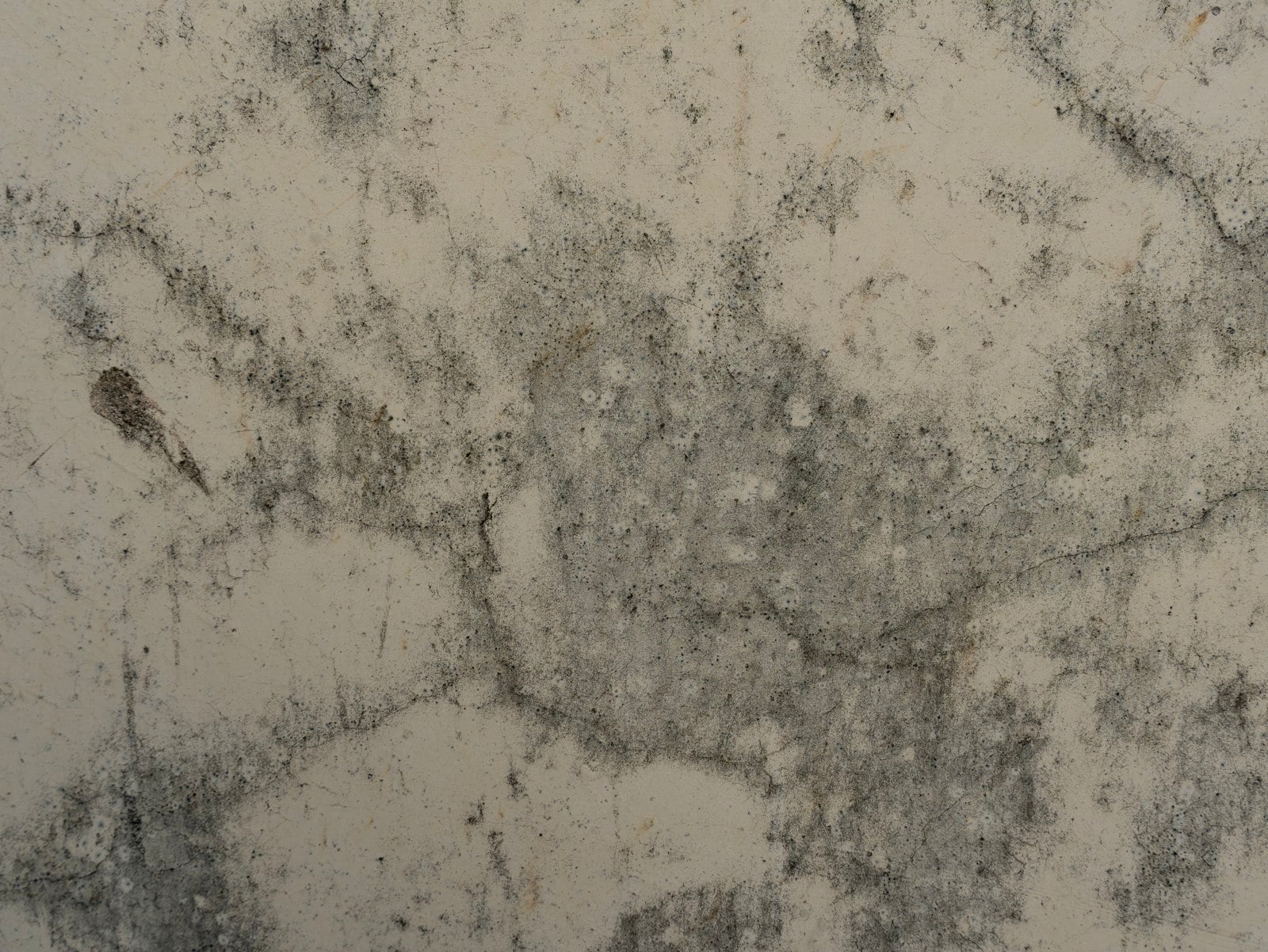
A musty smell that starts with the cooling usually lives at the coil, the drip pan or the condensate line.
HVAC and Duct Mold Cleaning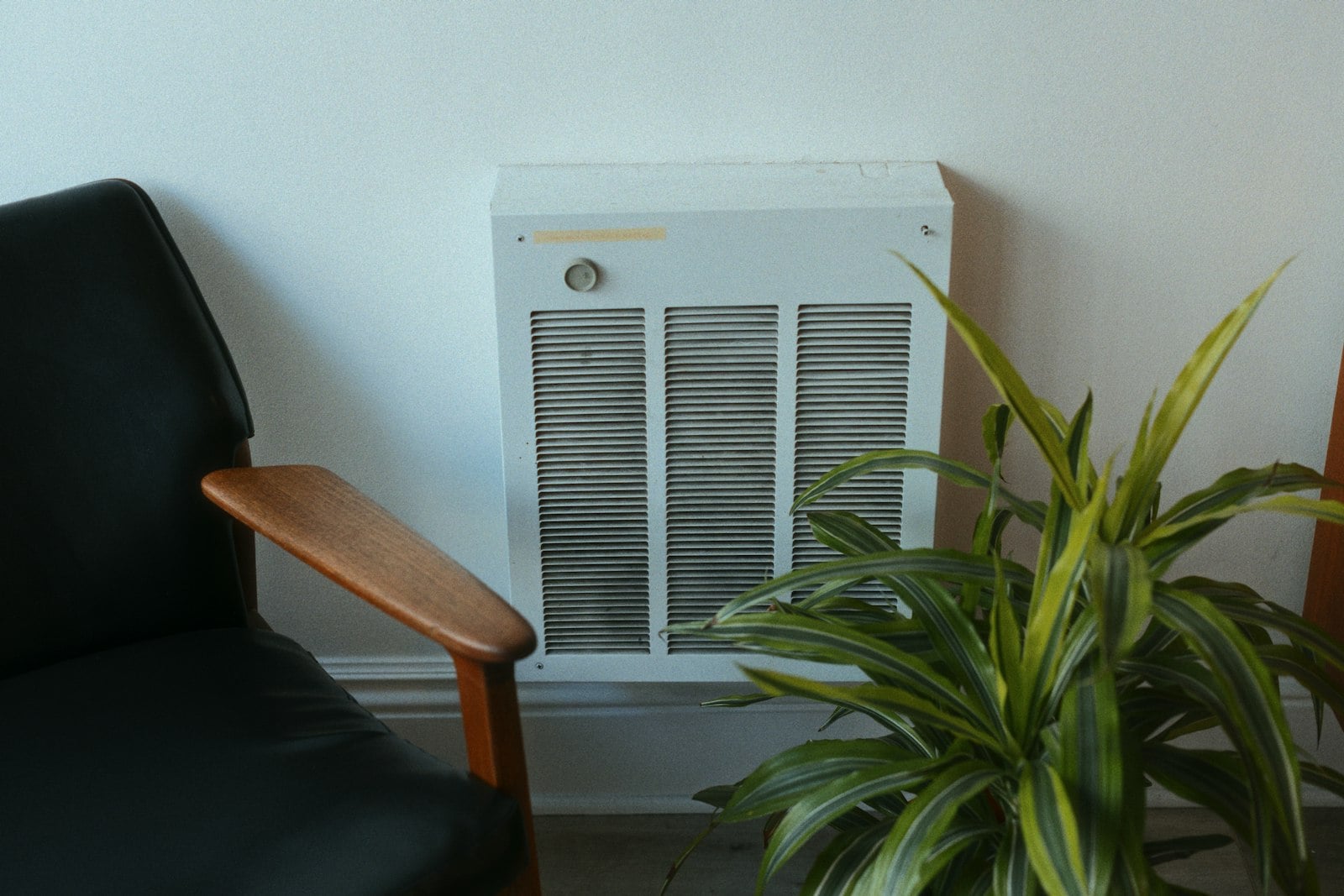
The check at the end of a job: is the area dry, is it clean and can the walls be closed back up.
Clearance TestingCleaning growth without stopping the water that caused it only buys a few months. An independent provider should look for the wet source before quoting any removal.
You should receive the findings, the area to be sealed off, the materials to be removed and the price in writing before work starts.
Availability and scheduling depend on the provider and the property in Phoenix or one of the nearby cities listed below; confirm access details in advance.
Phoenix homes are slab-on-grade with stucco, block walls and tile or low-slope roofs, and almost none have a basement. Water does not run down into a cellar — it spreads sideways across the slab, wicks up the drywall and hides under cabinet toe-kicks and vinyl plank flooring. The dry outdoor air outside does nothing for a wall cavity that stays wet.
The causes here are predictable: condensate drain lines that clog with dust in July, roof leaks from monsoon downpours, evaporative coolers in older houses, and homes closed up all summer while owners are away. An independent provider can work through those one at a time.
A smell that lives in one closet or one hallway usually means damp material inside a wall or under a floor. An independent provider can use moisture readings to narrow down where it is coming from before anything is opened up.
Read the guidance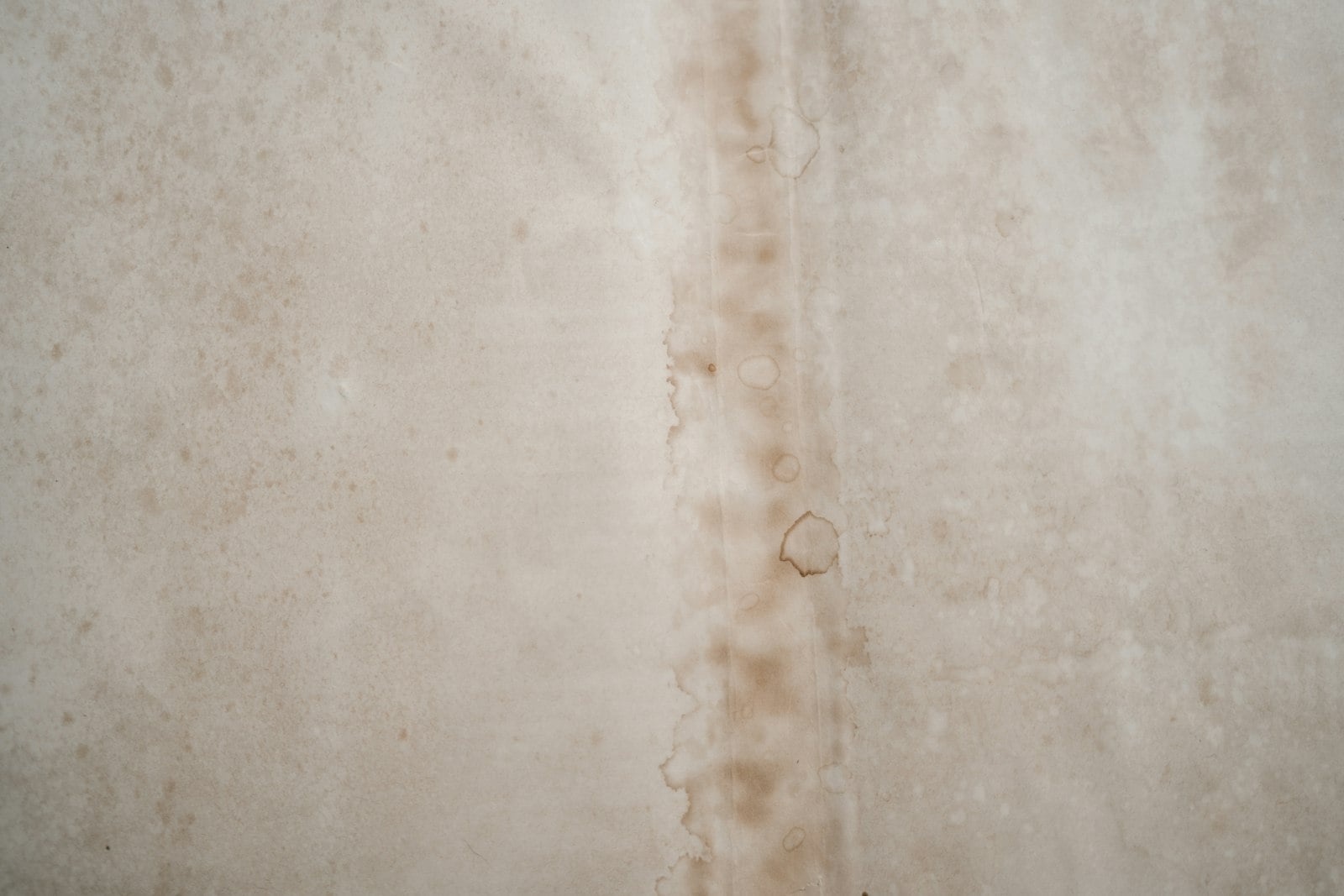
Paint over a ceiling ring and it returns because the water never stopped. An independent provider should trace the source, which in this valley is often an air conditioning drain line or a roof detail, before any repair is quoted.
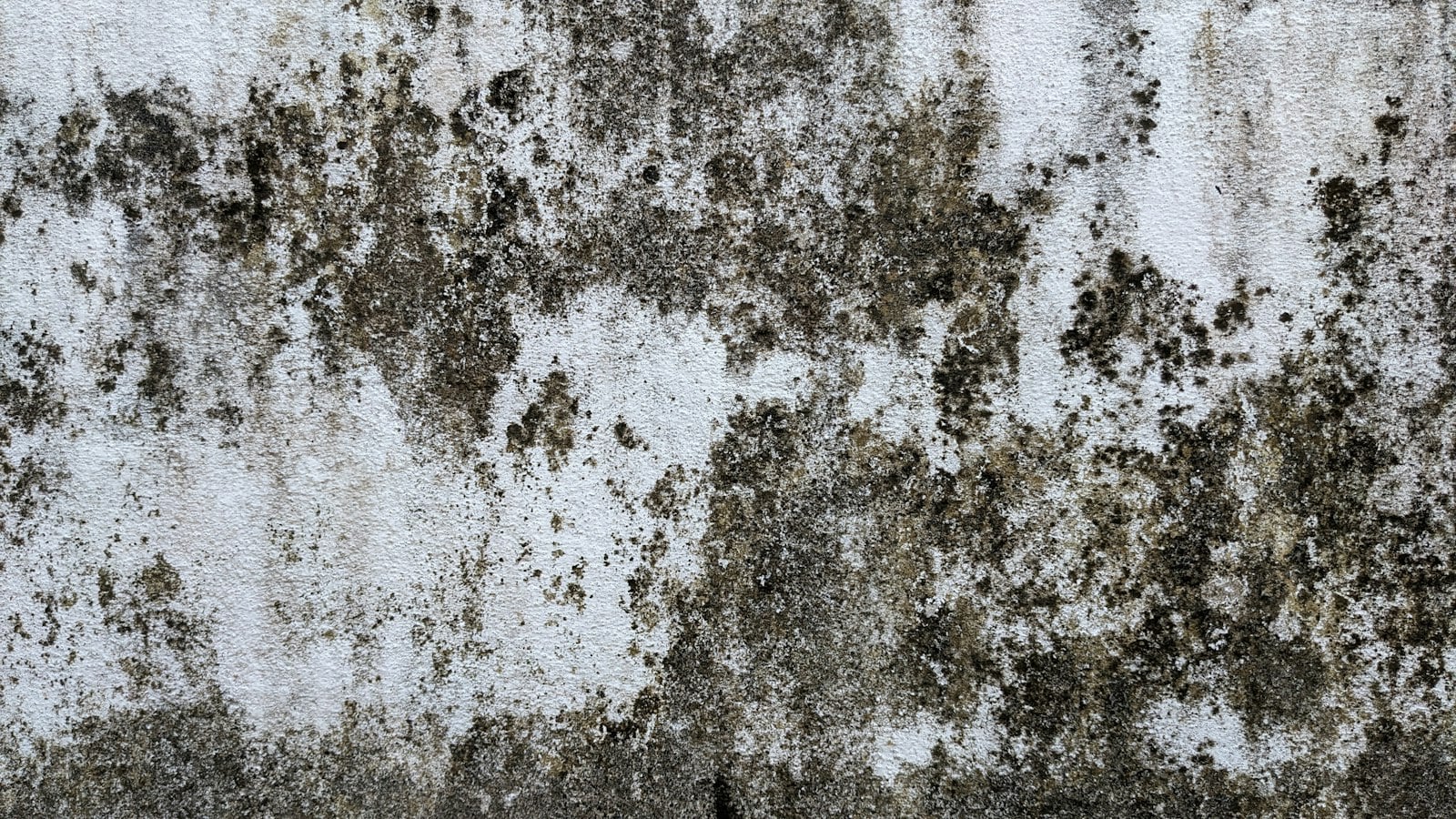
Read the guidanceBlack or gray speckling along a baseboard or behind furniture means a material has been wet for a while. It should be handled as a containment job rather than something to wipe down.
Read the guidance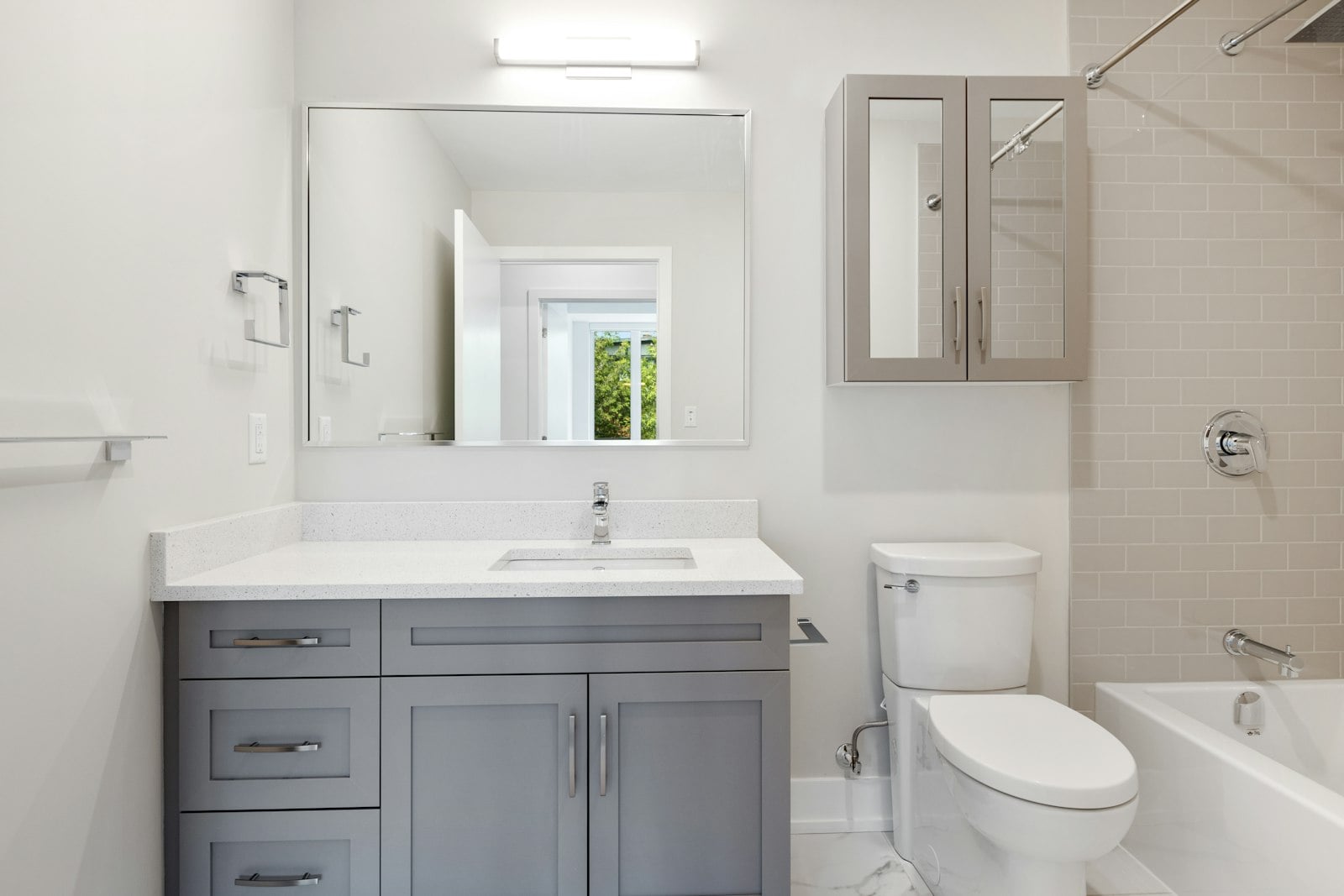
Bathrooms without a working vent fan hold steam long enough to soften drywall and caulk joints. A provider should check the cabinet base and the wall behind the surround, not just the tile.
Read the guidanceStaining overhead is usually condensation around cold duct work or a leak that showed up during a monsoon storm. A provider should look at the insulation and the air handler together.
Read the guidanceIf a floor was wet and then dried on its own, the cabinet bases and the drywall behind them may still be holding water. A provider should read the materials before deciding what has to come out.
Read the guidanceDescribe which room, how long it has been there and whether anything leaked or flooded. Photographs help more than a description of the color.
Availability and scheduling depend on the provider and the property address. Clear access to the area, the air handler closet and the attic hatch if you can.
Ask for the moisture findings, what would be removed, how the area would be sealed off and a written quote before anyone starts work.
At the end you should be walked through what came out, what was cleaned, the drying readings and what still needs rebuilding.

From 1960s ranch homes in the south of the city to newer places on the north side, the first question is which wet material is feeding the growth.
View Scottsdale service
Older homes near downtown and newer subdivisions out toward the Loop 101 bring very different plumbing and roofing to the same inspection.
View Glendale serviceRentals and student housing near the university often go months between inspections, so growth is found at move-out rather than when it starts.
View Tempe serviceCentral Mesa homes from the 1960s to the 1980s were built before many of today's ventilation habits, and their bathrooms show it.
View Mesa service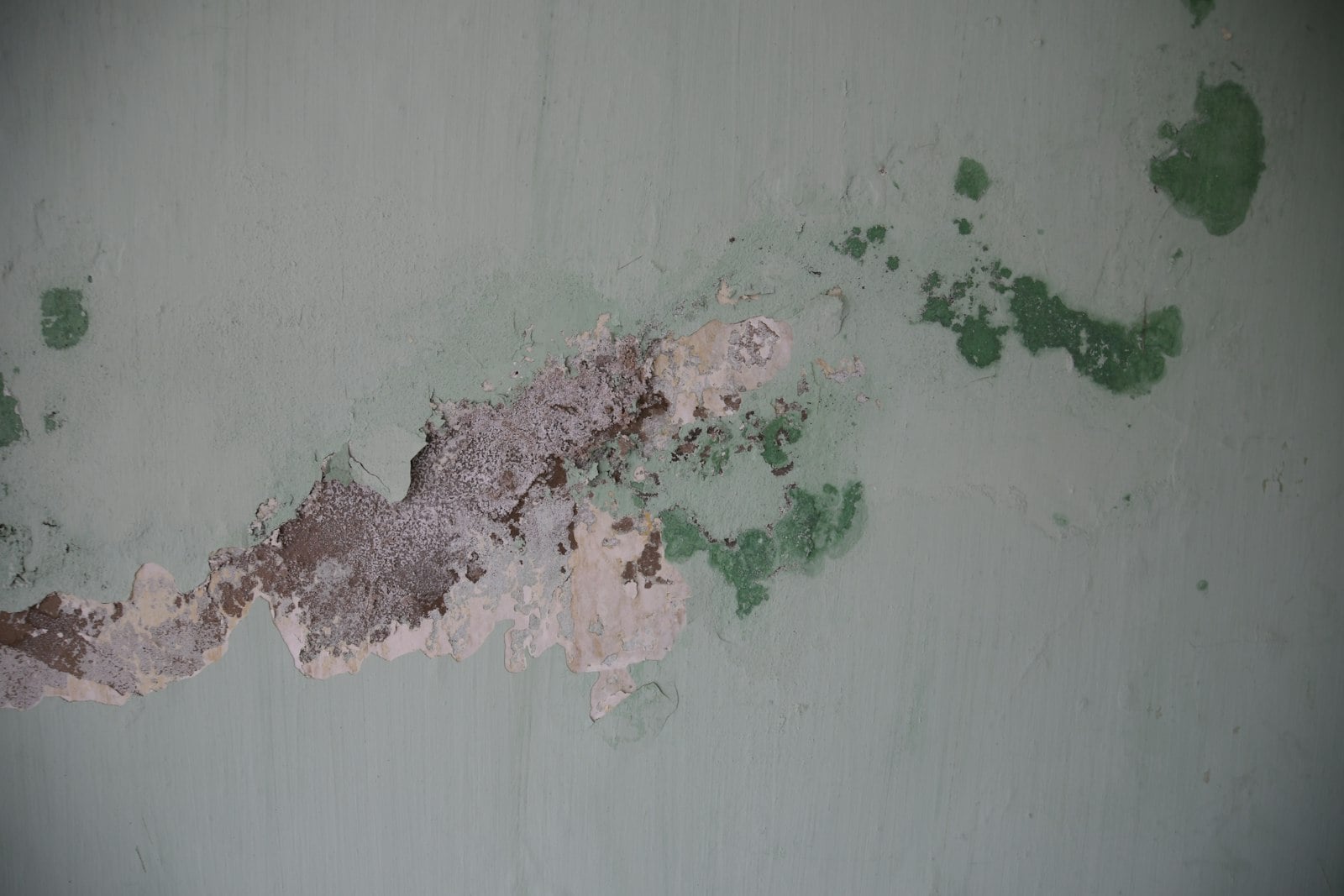
Newer West Valley homes are tight and well sealed, which is good for cooling bills and bad for a slow leak nobody notices.
View Peoria serviceLarge custom homes with low-slope roof sections and generous irrigation need a longer look than a walk-through of the visible rooms.
View Paradise Valley serviceHomes below South Mountain take runoff during monsoon storms, and a wet side yard against a block wall is easy to miss.
View Ahwatukee serviceSlab homes from the 1990s and 2000s, plus whole neighborhoods that sit closed up while owners are away all summer.
View Chandler serviceMaster-planned streets built to the same plans in the same years, and lake subdivisions with irrigation against the walls.
View Gilbert servicePricing is set by the provider and follows what the inspection finds: how much wet material has to come out, how hard it is to reach and how many days drying equipment runs. Ask the independent provider for a written quote before any work starts. See what separates a cleanup from full remediation.
The usual first sign is a musty smell tied to one room rather than the whole house, followed by a stain that returns after painting or a soft baseboard or cabinet base. Moisture readings settle it. Here is what a mold inspection covers.
Yes. Mold needs a wet material, not humid air, and a blocked air conditioning drain, a monsoon roof leak or a supply line under a slab will keep drywall wet for weeks in any climate. Read how mold starts in a dry climate.
Call Phoenix Mold Experts to be connected with an independent mold remediation provider in Phoenix and nearby cities including Scottsdale, Glendale, Tempe, Mesa, Peoria, Paradise Valley and Ahwatukee. Availability depends on the provider and address. Check the service areas page.
It is handled with the same care, and honestly, color tells you very little about the species. Mold can irritate, and people with asthma or allergies may react; symptoms are a question for a doctor. See how dark growth is handled.
Wet material in a warm, closed-up house can begin growing within a couple of days, which is why drying speed matters more than anything else after water gets in. A Phoenix home shut up in summer is the worst case. See what cleanup after water damage involves.
Only if the result would change something. When growth is visible and the wet material has been found, it is coming out either way. Testing helps for a record, a sale or a tenant dispute. Read when testing is worth it.
Surface products do not reach the material inside a wall and they do nothing about the water keeping it wet, so growth returns. Scrubbing established growth also spreads spores through the house. See how contained removal works instead.
A small contained area is often a day of removal plus drying time; larger jobs run longer and drying is measured with a meter rather than promised to a schedule. Ask the provider for a realistic timeline once the wet area is mapped. See the full process step by step.
It is one of the most common causes here. A condensate drain line clogs with dust, the pan overflows into an attic or a closet, and cold duct work sweats in a hot attic. See how attic and duct-related mold is handled.
Call and describe what you can see, what you can smell and whether anything has leaked so a provider can plan an inspection.