Mold After a Flood or Leak
The difference between an inconvenience and a remediation job is usually decided in the first two days. Phoenix Mold Experts explains what matters immediately after water gets into a Phoenix home and what a dried-looking floor really proves.
- Upfront Quotes
- Inspection & Remediation
- Residential & Commercial
By the Phoenix Mold Experts team · Updated September 2026
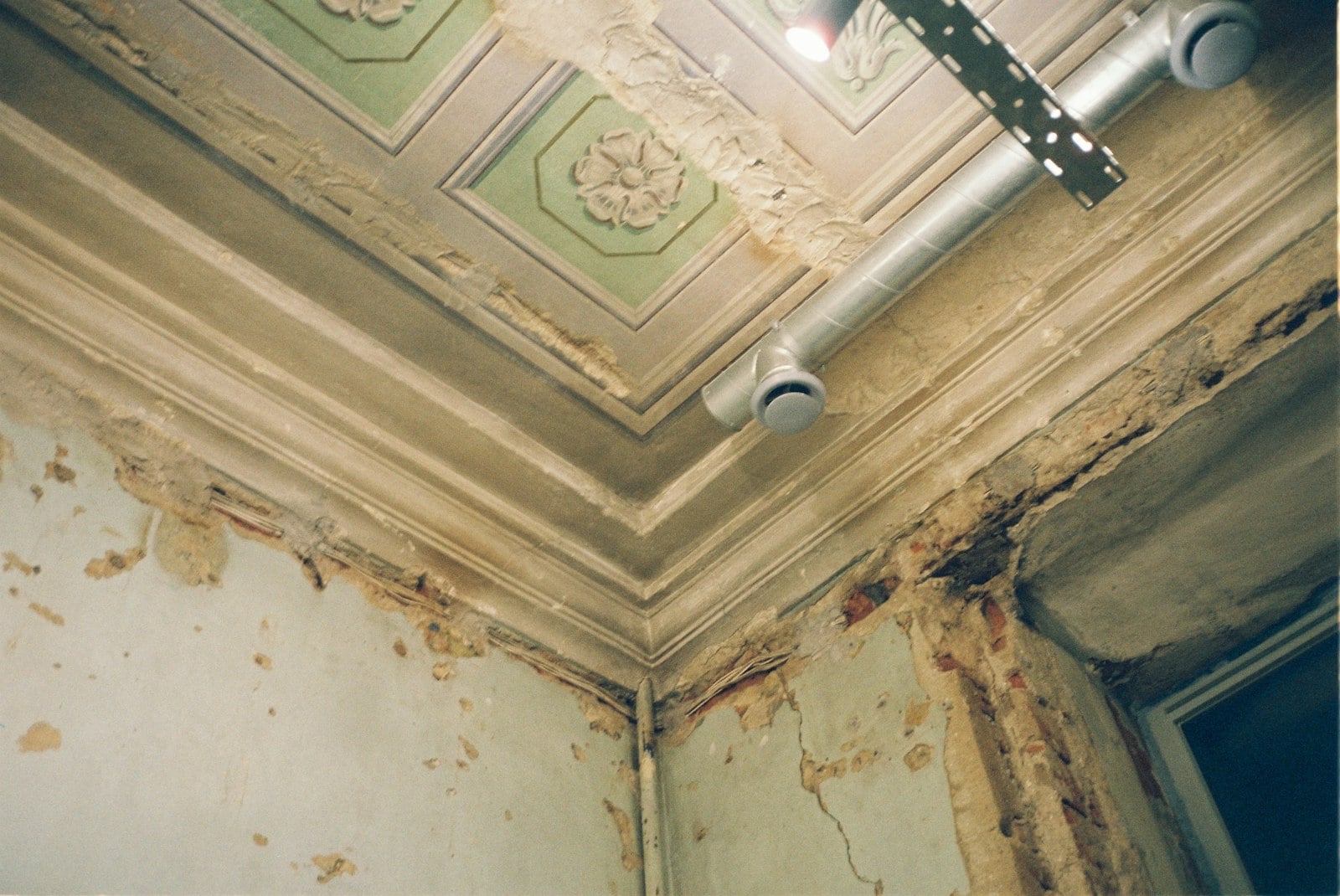
The First Hours
Stop the water first. If it is a plumbing leak, shut off the supply — in most Arizona homes the main valve is where the line enters the house at the front, often near a hose bib or the softener loop in the garage, with a meter box out near the street as the backup. If storm water came in at a threshold, the priority is keeping any more of it out.
Then be careful about electricity. Do not walk into standing water near outlets or plugged-in appliances, and do not touch anything that got wet until power to that circuit is off. If sewage was involved, treat it as a biohazard: gloves, no bare skin, and keep the cooling system off in that zone so it does not distribute anything.
Why the First Two Days Matter
Wet material in a warm, closed-up house can start growing within a couple of days. That window is the whole reason restoration work moves quickly, and it is why a Phoenix home shut up while the owners are away in summer is the worst version of this problem: the water sits, the building stays warm, and nobody opens a door for weeks.
Dry outdoor air helps once you get airflow going, but it does nothing for a wall cavity, a carpet pad or the underside of a plank floor. Those are sealed spaces, and they stay wet until something forces the moisture out of them.
What a Dry-Looking Floor Proves
Very little. Surfaces dry first and fastest. The materials that hold water are the ones you cannot see: the pad under carpet, the bottom edge of drywall, insulation inside a wall, the particleboard base of a cabinet, and the layer between a plank floor and the slab.
In a slab home the water also spreads sideways rather than down. A leak in a hallway ends up under the flooring and behind the baseboards of the rooms on both sides. This is why a real assessment uses a meter and a thermal scan to map a wet boundary rather than a look at the floor.
What Comes Out and What Stays
Carpet pad, wet fiberglass insulation, soaked paper-faced drywall and swollen cabinet bases generally come out. They cannot be dried reliably in place and they grow readily. Framing, subfloor, concrete and hard surfaces generally stay and are dried and cleaned, with readings taken until they are genuinely dry.
Cut lines usually run past the visible damp, because the moisture in a wall travels further than the stain. Ask how far past and why. A scope that removes exactly the discolored part and nothing more tends to be a scope that gets revisited.
Documentation Without Promises
Photograph everything before anything is moved or thrown out: the water, each affected room, the ceiling, the flooring, the contents. Note the date and the time you first found it. Keep receipts for anything you buy. That record has value whatever happens next.
Nobody can tell you how an insurance claim will go, and any company that promises an outcome is guessing. What a written scope, moisture readings and photographs do is make sure the conversation is based on facts rather than on memory.
After a Monsoon Storm in Phoenix
Local water intrusion tends to arrive in a short, violent burst. A monsoon downpour finds blocked scuppers on a low-slope roof, pushes rain sideways under tile, and sends street runoff over a threshold or across a garage slab on a low-lying street. September 2014 gave the valley a record rain day and a lot of homes learned where their weak point was.
Indoor causes are steadier: a condensate line clogged with dust, a supply connector under a sink, a brittle polybutylene line in a home built between the 1980s and the mid-1990s, or drip irrigation soaking a wall from outside. Homes below South Mountain see more of the runoff version — mold remediation in Ahwatukee covers that pattern.
Arrange an Inspection
If water reached your home in the last few days, a short visit with a meter is the cheapest decision you will make. Mold after water damage explains how the drying and removal are handled, and a mold inspection will tell you whether anything is still wet behind the finishes.
If growth has already appeared, leave it alone and keep the room closed until it can be looked at. Contained removal is the right approach once material is wet and growing. Phoenix Mold Experts can plan the visit from a description of where the water reached — see the request page.