Mold in Bathroom in Phoenix? What It Means
Mold in bathroom grout, caulk, ceilings or vanity cabinets in Phoenix almost always points to moisture that keeps coming back, such as a slow leak, a weak exhaust fan or trapped shower steam. Find and stop that source first, then decide if it is a small cleanup. Call to be connected with a local provider.
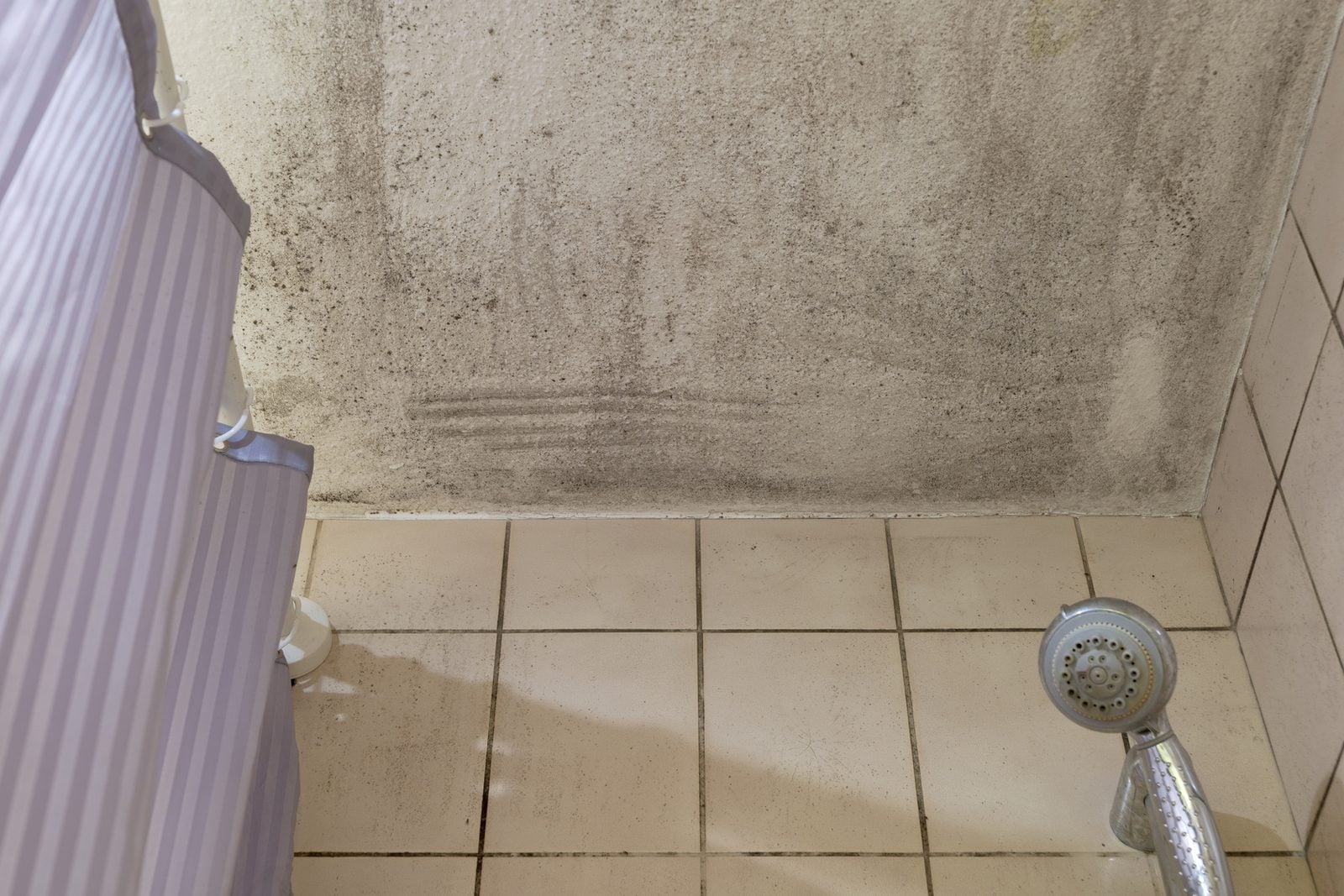
- Where the mold shows up in a bathroom is a strong clue to the moisture source behind it.
- ADHS says to remove the moisture source before cleanup, because mold returns if the area gets wet again.
- EPA says a moldy area under about 10 square feet can usually be cleaned by a homeowner.
- EPA advises keeping indoor relative humidity below 60 percent, ideally between 30 and 50 percent.
- Phoenix hard water can leave white scale on showerheads and fixtures, which is often mistaken for mold.
What to do first
- If water is actively leaking, turn off the supply valve under the sink or behind the toilet, or shut off the main water valve.
- Take photos of the mold, any stains and any water before anything is cleaned or moved.
- Run the bathroom exhaust fan and leave the door open so the room can dry out.
- Do not scrape, sand or dry-brush the growth, which can spread spores around the room.
- Measure roughly how large the area is, then call to be connected with a local provider if it is large or keeps coming back.
Is it mold, soap scum or hard water scale in my bathroom?
Bathroom mold in Phoenix usually looks like black, green, gray or pink spots or fuzz that comes back after cleaning and may smell musty. Soap scum is a dull film that wipes off. Hard water scale is a hard white or yellowish crust that does not smear and has no musty smell.
Phoenix tap water is hard, so scale is very common on showerheads, faucets and glass doors. Mold, on the other hand, tends to grow where water sits: grout lines, the bottom edge of caulk, ceiling corners and the base of walls.
- Wipe test: soap scum comes off with a damp cloth. Mold stains often stay or return within days.
- Smell test: a musty, earthy smell that is stronger with the door closed points toward mold.
What causes mold in bathroom ceilings and walls in Phoenix?
Mold in bathroom ceilings and walls in Phoenix comes from moisture that does not dry out, most often shower steam with poor venting, a slow plumbing leak, or water getting past failed grout and caulk. The desert air outside does not help a bathroom that stays damp inside.
Common sources include:
- Weak or missing exhaust fan. Steam condenses on the ceiling and upper walls and sits there after every shower.
- Slow leaks. A drip at a supply line, wax ring, drain or shower valve can wet the wall cavity or subfloor for weeks before it shows.
- Failed grout or caulk. Water seeps behind tile and into the wallboard each time the shower runs.
- Added indoor humidity. Evaporative coolers push humidified air into the home, which can keep a bathroom from drying fully.
- Roof or AC water. A ceiling stain over a bathroom can come from a roof leak or an AC line above, not the shower.
What does the spot where the mold grows tell me?
The location of bathroom mold is one of the clearest clues to its cause. Ceiling mold usually means steam and poor venting. Mold at the base of the toilet, under the vanity or at the bottom of a wall usually means a leak, which needs a plumbing check before any cleanup.
- Ceiling and upper corners: steam with nowhere to go. Check that the fan runs, vents outside and is used during and after showers.
- Grout and caulk lines: surface moisture from daily use. Often a small cleanup plus resealing.
- Around the toilet base: a possible wax ring or supply line leak. Soft flooring here is a warning sign.
- Inside the vanity cabinet: a drip at the drain trap or supply lines. Look for warped or swollen cabinet floors.
- Bottom of the wall behind the shower: water getting behind tile or a valve leak inside the wall.
- Ceiling stain with no shower above: a roof, AC drain line or upstairs leak.
Need help now? Call to be connected with a local provider in Phoenix who can check availability for your address.
When is bathroom mold a small job and when is it a bigger problem?
Bathroom mold is usually a small job when it is on hard surfaces, covers less than about 10 square feet and the moisture source is fixed. EPA says areas that size can usually be cleaned by a homeowner. It is a bigger problem when it keeps returning, is inside walls or covers a larger area.
Signs the problem may go deeper than the surface:
- Soft, bubbling or stained drywall near the tub, shower or toilet
- Loose tiles or cracked grout that will not stay sealed
- A musty smell that stays after the visible spots are cleaned
- Warped baseboards or vanity floors
Painting or caulking over these areas hides the problem without solving it.
Should I test bathroom mold before I do anything else?
Usually not. The Arizona Department of Health Services does not recommend mold testing as the first step and says that if you can see or smell mold, you have a problem. In a Phoenix bathroom, finding and fixing the moisture source matters more than naming the mold type.
Testing can still help when you smell mold but cannot find it, or to confirm an area is clean after remediation.
What if a leak behind the shower caused the mold?
If a hidden leak caused bathroom mold in your Phoenix home, document it and call your insurer or adjuster before calling a contractor, as the Arizona Department of Insurance and Financial Institutions (DIFI) advises. DIFI says mold not caused by a flood may be covered if it results from a sudden or accidental event, and your policy spells out what is and is not covered.
Many policies treat sudden damage differently from gradual leaks, so check your policy and document everything:
- Take pictures of the damage before plumbers or restoration contractors arrive, as DIFI advises.
- Verify coverage with your adjuster, not with a contractor.
- Renters should check with their landlord before any repair work begins.
What happens during the visit?
During the visit, a local provider inspects the bathroom, looks for the moisture source, explains your options and gives you a written quote before any work begins. Nothing is removed or opened up until you understand the plan.
- Inspection: a look at the visible growth, the fan, grout, caulk, fixtures and the areas around the tub, shower, toilet and vanity.
- Finding the source: whether the moisture comes from steam, a plumbing leak, failed seals, the roof or an AC line. Plumbing repairs may need a separate licensed plumber.
- Options explained: surface cleaning and resealing for small areas, or contained removal of wet drywall, tile backer or flooring for larger ones.
- Written quote: you get the scope in writing before any work starts, and you can ask questions or get another quote.
How do I keep bathroom mold from coming back in a desert home?
To keep bathroom mold from coming back in Phoenix, keep the room dry after every shower, fix leaks quickly and keep indoor humidity in check. EPA advises keeping indoor relative humidity below 60 percent, ideally between 30 and 50 percent, and drying wet areas within 24-48 hours.
- Run the exhaust fan during showers and for a while after.
- Reseal grout and recaulk when lines crack or pull away.
- Check under the vanity and around the toilet base every few months.
- If you use an evaporative cooler, watch bathroom humidity, since coolers add moisture to indoor air.
Why do Phoenix bathrooms grow mold in such a dry climate?
Phoenix is one of the driest metros in the country, yet bathrooms are a small, closed room that gets wet every day. Sky Harbor averages 7.22 inches of rain a year, so outdoor humidity is rarely the cause. Indoor moisture from showers, leaks and coolers is.
Hard water adds confusion. The City of Phoenix 2025 Water Quality Report lists total hardness of 172 - 302 ppm, or 10 - 17.6 grains per gallon, and the City says hard water can cause scaling on fixtures such as faucets and showerheads. In Scottsdale, Scottsdale Water describes scale as a hard, white or yellowish coating of calcium carbonate. That crust is not mold.
Leaks matter too. The City of Phoenix says issues after the water meter are the homeowner's responsibility, and it requires a pressure regulator so pressure does not exceed 80 psi, noting that higher pressure can damage pipes and appliances. University of Arizona Cooperative Extension explains that evaporative coolers push humidified air into the living space.
Under Arizona law, it is unlawful to act as a contractor without a license in good standing unless exempt. You can look up a contractor in the Arizona Registrar of Contractors online search.
Calls come from homes across the metro, including Scottsdale, Chandler, Tempe, Glendale and Mesa.
Related pages
Questions people ask
Why do I keep getting mold in bathroom grout even though Phoenix is so dry?
Because the bathroom itself stays wet, not the outdoor air. Daily showers, poor venting and cracked grout keep moisture in the same spots, so mold returns until the room dries fully after each use and the grout is resealed.
How can I tell if the black spots in my shower are mold or just dirt?
Wipe them with a damp cloth. Dirt and soap scum come off easily, while mold stains usually stay or come back within days and may smell musty.
Is the white crusty stuff on my showerhead mold?
Usually not. In Phoenix, a hard white or yellowish crust on showerheads and faucets is most often hard water scale, which is calcium carbonate, not mold.
Why is there mold on my bathroom ceiling but not on the walls?
Ceiling mold usually means steam is rising and condensing with no way out. Check that your exhaust fan works, vents outside and runs during and after showers.
What does mold around the base of my toilet mean?
It often points to a leak at the wax ring or the supply line. Have the toilet checked for a leak before cleaning, especially if the floor feels soft.
I found mold inside my bathroom vanity cabinet. What should I check first?
Check the drain trap and supply lines under the sink for drips. A swollen or stained cabinet floor is a common sign of a slow leak.
Can mold be growing behind my shower tiles even if I can't see it?
Yes, it can. Loose tiles, cracked grout, a musty smell or soft drywall on the other side of the shower wall can all point to moisture behind the tile.
Is it okay to just bleach the mold in my bathroom and move on?
Cleaning small surface spots is fine, but it will not last if the moisture source stays. Fix the leak or venting problem first, or the mold will return.
How big does bathroom mold have to be before I should call someone?
EPA says areas under about 10 square feet can usually be handled by a homeowner. Larger areas, mold inside walls or growth that keeps returning are good reasons to call for help.
What humidity should my bathroom be at to prevent mold in Phoenix?
EPA advises keeping indoor relative humidity below 60 percent, ideally between 30 and 50 percent. A small humidity meter shows how long your bathroom stays damp after showers.
Can my swamp cooler make bathroom mold worse?
It can add moisture. University of Arizona Cooperative Extension says evaporative coolers send humidified air indoors, which can slow drying in a bathroom that is already damp.
Does homeowners insurance cover mold from a leaking shower valve in Arizona?
It depends on your policy. DIFI says mold not caused by a flood may be covered if it comes from a sudden or accidental event, so check your policy and confirm with your adjuster.
I rent my place in Phoenix. Who should handle mold in my bathroom?
Tell your landlord in writing and check with them before any repair work begins, as DIFI advises renters. Take photos so the issue is documented.
Will a mold provider fix the plumbing leak in my bathroom too?
Not always. Mold work and plumbing are different trades, and a plumbing repair may need a licensed plumber. Ask how the leak will be handled before work starts.
What happens when someone comes out to look at mold in my bathroom in Phoenix?
They inspect the room, look for the moisture source, explain your options and give you a written quote before any work begins.
How do I find help for mold in bathroom walls in Phoenix?
Call to be connected with a local provider who handles bathroom mold in Phoenix. They can inspect the walls, find the moisture source and give you a written quote before any work.
Talk to someone about your mold problem
Call to be connected with a local provider who can check availability for your address and explain the next step.