Phoenix Commercial Building Mold Remediation
Commercial building mold remediation in Phoenix starts with finding and stopping the water that feeds the mold, which is often a monsoon roof leak or a clogged HVAC condensate line. For property managers, the job also means planning around tenants, records and access. Call to be connected with a local provider who can inspect the building.
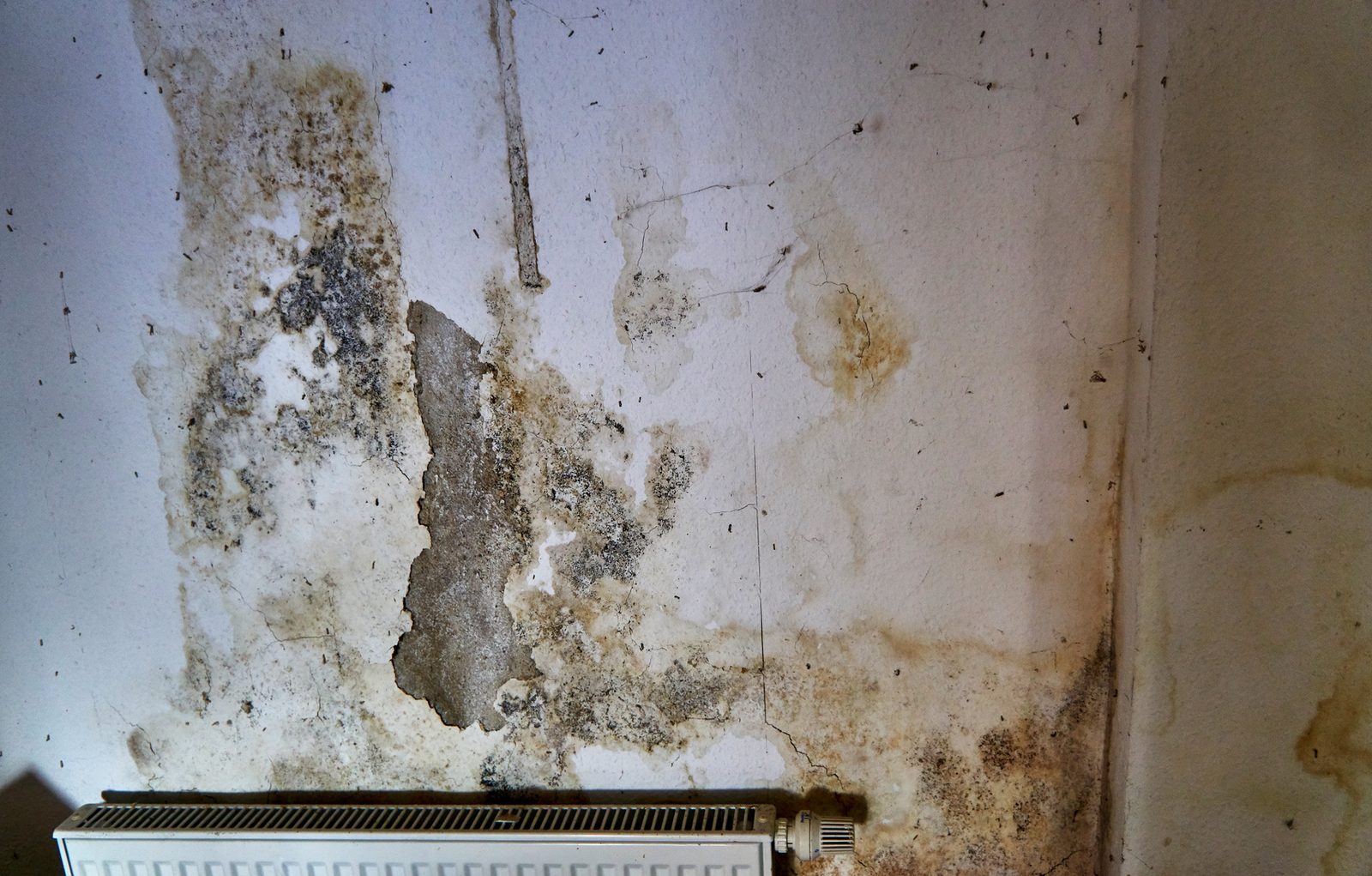
- ADHS says to remove the moisture source first, because mold returns if the area gets wet again.
- EPA says to dry water-damaged areas and items within 24-48 hours to prevent mold growth.
- EPA advises keeping air conditioning drip pans clean and drain lines flowing properly.
- NWS defines the Southwest monsoon as June 15 through September 30.
- DIFI advises taking photos of damage before any mitigation or restoration work starts.
What do commercial building mold remediation services in Phoenix include?
Commercial building mold remediation services in Phoenix usually include an inspection to find the moisture source, a written plan, containment of the affected area, removal of damaged materials, cleaning, drying and a final check. In an office, clinic or retail space, the plan also has to cover tenants, business hours and who signs off.
- Inspection: moisture readings, roof and ceiling checks, HVAC and drain line checks.
- Containment: barriers and air control so work in one suite does not spread to the next.
- Removal and cleaning: stained ceiling tiles, wet drywall and insulation that cannot be dried.
- Drying and verification: moisture checks and, when requested, post-remediation clearance testing.
For a broader overview, see the main commercial mold remediation page.
Why do Phoenix office buildings get mold after monsoon roof leaks?
Phoenix office buildings get mold after monsoon storms because a short, heavy rain can push water through worn flat-roof seams, drains and rooftop equipment curbs. The water often lands above a drop ceiling, where nobody sees it. If it is not found and dried, the wet tiles, insulation and drywall can start to grow mold.
Many commercial roofs in the Valley are low-slope, so ponding water and clogged roof drains are common problem spots after a storm. A small ceiling stain in one suite can mean wet materials across a much larger area above the grid.
- Look for brown rings or sagging ceiling tiles after storms.
- Check suites under rooftop units and roof drains first.
If water came in from flooding or a burst line rather than the roof, our guide on mold after water damage covers that situation.
How can HVAC condensate cause mold in an office or retail space?
HVAC condensate causes mold when the water an air conditioner pulls out of the air does not drain away. In a commercial building, a clogged drain line or a dirty drip pan can overflow into the ceiling, a mechanical closet or the wall cavity. Phoenix buildings run cooling for much of the year, so these drains work hard.
EPA advises keeping air conditioning drip pans clean and drain lines unobstructed and flowing properly.
- Check drain lines and pans on a regular maintenance schedule.
- Watch for wet spots under ceiling-mounted units.
If you suspect growth inside air handlers or ducts, read about HVAC and duct mold cleaning.
Need help now? Call to be connected with a local provider in Phoenix who can check availability for your address.
What should a property manager do first when mold shows up?
A property manager should stop the water first, then document and limit disturbance. Shut off or divert the leak, keep people out of the wet area if materials are sagging, take dated photos, and notify the owner and the insurance contact. ADHS says the moisture source must be removed before cleanup, or the mold will come back.
- Find the source: roof, HVAC drain, plumbing or flooding.
- Photograph ceilings, walls and floors before anything is moved or removed.
- Do not have staff pull down wet ceiling tiles or scrape growth over a large area.
- Start a log of dates, times, who came on site and what equipment was used.
- Tell affected tenants what is happening and which areas to avoid.
Then call to be connected with a local provider who can inspect the building and explain the options in writing.
Should a commercial building be tested for mold before cleanup?
Testing is not always the first step. The Arizona Department of Health Services does not recommend mold testing as the first step and says that if you can see or smell mold, you have a problem. In a commercial building, the first job is usually finding the moisture and mapping how far the damage reaches.
Testing can still help when owners, tenants or lenders want documentation. A mold inspection focuses on moisture, visible growth and the extent of damage, and it can include sampling when there is a clear reason for it.
If you are unsure which approach fits, the page on mold removal vs. remediation explains the difference in plain terms.
What happens during the visit?
During the visit, a local provider inspects the affected suites, roof or HVAC areas tied to the problem, and explains what they found. You should hear what caused the moisture, how far the damage likely goes, what your options are, and get a written quote before any work begins.
- Inspection: moisture readings in ceilings, walls and floors, plus a look at roof drains, rooftop units and condensate lines.
- Options explained: what can be dried, what should be removed, how containment will work around tenants, and what the building owner may need to repair, such as the roof.
- Written quote: scope, areas included and the steps planned, so the owner, manager and any adjuster can review it before approving work.
Ask about access and tenant notices during the visit, and confirm scheduling directly with the provider.
How do tenants, owners and insurance fit into a commercial mold job?
In a commercial mold job, the lease usually decides who handles what, and the insurance policy decides what may be covered. Owners often handle the roof and building systems, while tenants may handle their own contents. Read the lease, call the insurance contact early and keep everyone working from the same written scope.
The Arizona Department of Insurance and Financial Institutions (DIFI) says mold remediation not caused by a flood may be covered if it results from a sudden or accidental event, and that the policy spells out what is covered. Many policies treat sudden damage differently from gradual leaks. Check your policy and document everything.
- Call the insurer or adjuster before a contractor, as DIFI advises.
- Confirm coverage with the adjuster, not the contractor.
- Keep photos, the log and every written quote in one file.
How can property managers lower the chance of mold coming back?
Property managers lower the chance of mold coming back by keeping water out and drying fast when it gets in. That means roof and drain checks before and after monsoon season, regular HVAC condensate maintenance, and a clear plan for tenants to report leaks. EPA says to dry wet areas within 24-48 hours.
- Inspect roof drains, seams and rooftop unit curbs before June 15 and again after storms.
- Clean drip pans and flush condensate lines on a schedule.
- Keep indoor relative humidity below 60 percent, ideally 30 to 50 percent, as EPA advises.
- Replace stained ceiling tiles only after the leak is found and fixed.
Attic-style spaces above ceilings can hide moisture too. The page on attic mold remediation explains what to look for in those areas.
What Phoenix conditions matter for commercial mold?
Phoenix is dry most of the year, but its water problems come in bursts. NWS defines the Southwest monsoon as June 15 through September 30, and says Phoenix averages 2.43 inches of precipitation during the monsoon. Sky Harbor averages 7.22 inches of rain a year. A lot of that can arrive in a few storms that test commercial roofs and drains.
Big events happen outside the monsoon too. On one day in late September 2025, Sky Harbor received 1.64 inches of rain, its highest one-day total since October 13, 2018. During the October 9-13, 2025 storms, NWS Phoenix issued 25 Flash Flood Warnings across its forecast area.
- Under Arizona law (A.R.S. 32-1151), it is unlawful to act as a contractor without a license in good standing unless exempt. You can look up a contractor in the Arizona Registrar of Contractors online search.
- DIFI notes it is your right to get more than one quote, and warns against high-pressure sales and door-to-door offers you did not request.
Calls for help come from office parks, retail centers and medical suites across the metro, including Scottsdale, Tempe, Mesa, Glendale and Chandler.
Related pages
Questions people ask
Who handles commercial building mold remediation services in Phoenix?
Local mold remediation providers handle commercial jobs in Phoenix. Call to be connected with a local provider who can inspect the building, explain options and give a written quote before work begins.
Is the landlord or the tenant responsible for mold in a commercial space in Phoenix?
It usually depends on the lease. Many leases make the owner responsible for the roof and building systems and the tenant responsible for their own space and contents, so read the lease and talk to both parties early.
Can a monsoon roof leak cause mold in my office building?
Yes, it can. Water from a monsoon roof leak often soaks ceiling tiles, insulation and drywall above a drop ceiling, and if those stay wet, mold can grow. EPA says to dry wet areas within 24-48 hours.
Can a clogged AC condensate line cause mold in a commercial building?
Yes. If a condensate line clogs or a drip pan overflows, water can soak ceilings, walls or closets. EPA advises keeping drip pans clean and drain lines flowing properly.
Do I need mold testing before remediation in a commercial building?
Not always. ADHS does not recommend testing as the first step and says that if you can see or smell mold, you have a problem. Testing may still help when owners, tenants or lenders want documentation.
Can my maintenance staff clean up mold themselves?
For small areas, sometimes. EPA says areas under about 10 square feet can usually be handled without a professional, but larger areas, hidden growth or HVAC involvement are better left to a remediation provider.
What should I do first if a tenant reports mold in their suite?
Stop any active water, take dated photos and keep people away from wet, sagging materials. Then notify the owner and insurance contact and call to be connected with a local provider for an inspection.
Will insurance pay for mold remediation in a commercial building in Arizona?
It depends on the policy and the cause. DIFI says mold remediation not caused by a flood may be covered if it results from a sudden or accidental event. Check your policy and confirm with the adjuster.
Should I call my insurance company or a mold contractor first?
DIFI advises calling your insurance company or adjuster before calling a contractor. Take photos of the damage first, then verify coverage with the adjuster rather than the contractor.
How is mold kept from spreading to other suites during cleanup?
Providers use containment, such as plastic barriers and controlled airflow, around the work area. Ask the provider to explain the containment plan in writing before work begins.
Does a mold remediation contractor in Arizona need a license?
Arizona law makes it unlawful to act as a contractor without a license in good standing unless exempt. Repair and rebuild work after mold can require a Registrar of Contractors license, so check the online contractor search.
Why does mold keep coming back in the same office after cleanup?
Usually because the moisture source was not fixed. ADHS says mold will return if the area becomes wet again, so the roof leak, drain or plumbing issue has to be repaired first.
How often should commercial roofs in Phoenix be checked for leaks?
A good habit is before and after monsoon season and after any big storm. NWS defines the monsoon as June 15 through September 30, but heavy storms can also hit in other months.
What indoor humidity should an office building keep to limit mold?
EPA advises keeping indoor relative humidity below 60 percent, ideally between 30 and 50 percent. Phoenix air is usually dry, but leaks and evaporative coolers can raise humidity indoors.
What happens to wet drywall in a commercial building after a flood?
It usually has to come out. ADHS advises that after flooding, all sheetrock should be removed to at least 12 inches above the high-water mark, and that step may need a licensed contractor.
Is a clearance test needed after commercial mold remediation?
It is not always required, but many owners want one. A clearance test helps show the area was cleaned before walls are closed and tenants move back in.
Talk to someone about your mold problem
Call to be connected with a local provider who can check availability for your address and explain the next step.