What Kills Black Mold in a Phoenix Home?
What kills black mold in a Phoenix home is less about the product and more about the process: stop the water, scrub small patches off hard surfaces with detergent and water, dry everything fast, and remove soaked porous materials. Bleach and vinegar alone do not fix the cause. For larger or repeat growth, call to be connected with a local provider.
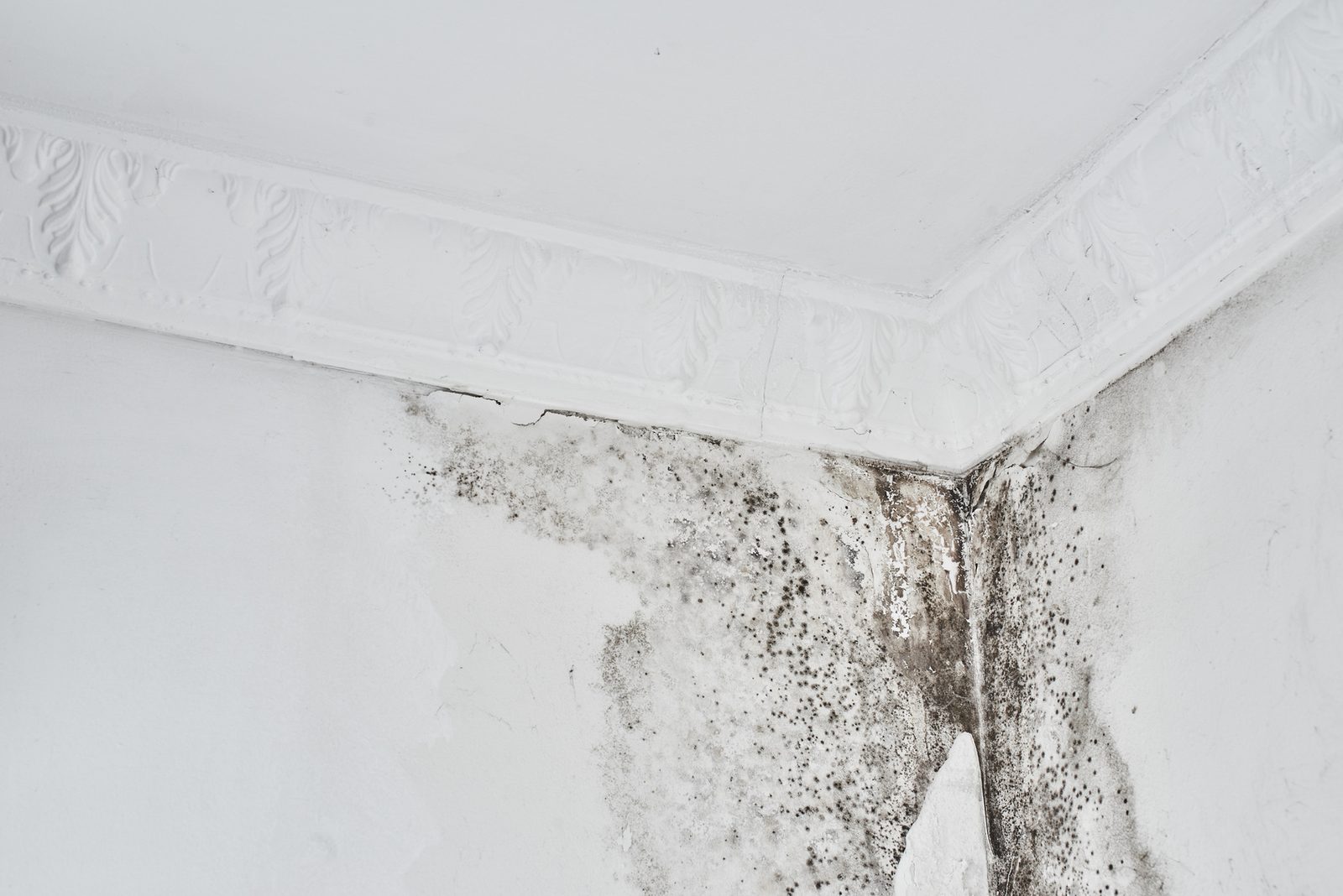
- ADHS says to remove the moisture source first, because mold returns if the area gets wet again.
- EPA says to dry water-damaged areas and items within 24-48 hours to prevent mold growth.
- EPA says homeowners can usually clean a moldy area smaller than about 10 square feet themselves.
- ADHS does not recommend mold testing as the first step: if you can see or smell mold, you have a problem.
- EPA advises keeping indoor relative humidity below 60 percent, ideally between 30 and 50 percent.
What to do first
- Find and stop the water source: a plumbing leak, a dripping AC drain line, a roof leak or high indoor humidity.
- Take photos of the growth and any water damage before you clean anything.
- Keep pets and anyone with asthma or allergies out of the room while you work.
- Do not dry-brush, sand or point fans at the growth, which can spread spores.
- Never mix bleach with ammonia or any other cleaner.
- If the patch is larger than about 10 square feet, keeps coming back or smells musty with nothing visible, call to be connected with a local provider.
What kills black mold, and does killing it solve the problem?
In a Phoenix home, many cleaners can kill surface mold, but killing it is not the goal. Removal is. Dead mold and its stains stay on the surface, and the growth comes back as long as the material stays damp. The real fix for black mold is to stop the water, clean or remove the moldy material, and dry the area completely.
Think of it in three steps. First, find the moisture. Second, physically remove the growth with scrubbing on hard surfaces, or by cutting out and replacing soaked porous materials. Third, dry and watch the spot for a few weeks. If any step is skipped, the spray you used matters very little.
Myth: Bleach is the only thing that kills black mold
Fact: bleach is not required, and it is often the wrong tool. On hard, nonporous surfaces like tile, glass or a tub, plain detergent and water with firm scrubbing removes mold well. Bleach mainly lightens the stain, which can make a spot look fixed when the moisture problem is still there.
On porous materials such as drywall paper, ceiling tiles, carpet pad or wood trim, growth can sit inside the material where a liquid on the surface does not reach. Bleach is also mostly water, so soaking drywall adds moisture. If you do choose bleach on a hard surface, open a window, wear gloves and eye protection, and never mix it with ammonia or other cleaners, because the fumes are dangerous.
Myth: Vinegar, peroxide or a store spray will keep mold from coming back
Fact: no cleaner keeps mold away if the surface gets wet again. Vinegar, hydrogen peroxide, baking soda and store-bought mold sprays are popular online, and each can help with a light film on a hard surface. None of them replaces drying the area and fixing the leak.
ADHS says it is critical to remove the source of moisture before cleanup begins, because mold will return if the area is re-wetted. It lists sources such as constant plumbing leaks, leaky roofs, flooding, backed-up sewers and humidifiers. If you clean a spot under the sink and it is back in a month, the drip is still there.
Need help now? Call to be connected with a local provider in Phoenix who can check availability for your address.
How do I remove a small patch of black mold safely?
For a patch smaller than about 10 square feet on a hard surface in a Phoenix home, most people can handle it with detergent, water and a stiff brush. EPA says areas under that size can usually be cleaned by the homeowner. Protect yourself, keep the dust down and dry the spot fully when you finish.
- Gear: gloves, eye protection and an N-95 mask.
- Air: open a window and keep the door to the room closed.
- Scrub: use detergent and water, not a dry brush or sandpaper.
- Dry: wipe the area dry and run a fan in the room, not aimed at the growth.
- Toss: bag rags and sponges and throw them out.
Then check the spot over the next few weeks. A return means the water source is still active.
When should black mold be removed instead of cleaned?
Porous materials with mold growing in them usually need to come out. Soaked drywall, insulation, ceiling tiles and carpet pad can hold moisture and growth inside, where scrubbing does not reach. Cutting out and replacing the damaged piece is the usual fix, not a stronger cleaner.
After flooding, ADHS advises removing all sheetrock to at least 12 inches above the high-water mark, and notes this step may need a licensed contractor. Under Arizona law, rebuild work can need an Arizona Registrar of Contractors license when the job requires a permit or reaches the state's handyman limit. Read more on mold after water damage.
Myth: You need a mold test to know what kills black mold in your house
Fact: the color and the species do not change the cleanup method. ADHS does not recommend mold testing as the first step, and says that if you can see or smell mold, you have a problem. Dark mold gets the same treatment as any other mold: fix the water, remove the growth, dry the area.
Testing can still help in some cases, such as hidden growth behind walls, a real estate transaction, or confirming an area is clean after a large job. See post-remediation clearance testing for how that final check works.
When is black mold too big for DIY cleanup?
Call for help when the moldy area is larger than about 10 square feet, when it is inside walls, ducts or the attic, when it follows a flood or sewage backup, or when it keeps coming back after cleaning. Those cases usually need containment so spores do not spread to the rest of the house.
Also get help if anyone in the home has asthma, allergies or a weakened immune system and has concerns, and talk to a doctor about any health questions. A local provider can trace the moisture, set up barriers and remove the damaged material. Read black mold removal in Phoenix for more.
What happens during a mold visit in Phoenix?
A typical visit starts with an inspection. The provider looks at the visible growth, checks moisture levels in nearby walls, floors and ceilings, and looks for the water source, such as a plumbing leak, roof leak or AC drain line. Then they explain the options in plain terms, from cleaning a small area to containing and removing damaged materials.
You should get a written quote before any work begins. Ask what will be removed, how the area will be contained and dried, and how the job will be checked at the end. Timelines depend on the size of the job and the provider's schedule.
Why does black mold grow in a dry city like Phoenix?
Phoenix is dry most of the year, but water arrives in bursts. NWS defines the Southwest monsoon as June 15 through September 30, and says Phoenix averages 2.43 inches of precipitation during the monsoon. Sky Harbor averages 7.22 inches of rain a year, so a few big storms can do most of the damage. On one day in late September 2025, Sky Harbor received 1.64 inches, its highest one-day total since October 13, 2018.
Indoors, the usual culprits are slow leaks and AC systems. EPA advises keeping AC drip pans clean and drain lines flowing, and a clogged condensate line in a closet or attic can wet drywall for weeks. Evaporative coolers, still common in older homes from Glendale to Tempe, add humidity to the air they push inside. EPA advises keeping indoor relative humidity below 60 percent, ideally between 30 and 50 percent.
Whether you live in Scottsdale, Ahwatukee, Glendale or Tempe, the rule is the same: dry water-damaged areas within 24-48 hours, as EPA advises, and fix the source before you clean. See all service areas around Phoenix.
Related pages
Questions people ask
What kills black mold on walls in a Phoenix home?
On painted hard walls, detergent and water with firm scrubbing removes most surface mold. If the drywall itself is soaked or soft, the piece usually needs to be cut out and replaced, and the water source has to be fixed first.
Does bleach kill black mold permanently?
No. Bleach can lighten mold stains on hard surfaces, but it does not stop the moisture that feeds mold, so growth comes back if the area gets wet again. Never mix bleach with ammonia or other cleaners.
Is vinegar better than bleach for black mold?
Neither one is a fix on its own. Vinegar can help with a light film on hard surfaces, but drying the area and stopping the leak matter far more than which cleaner you pick.
Does hydrogen peroxide kill black mold?
Hydrogen peroxide can clean light surface mold on hard materials. Like any cleaner, it will not keep mold away if the spot stays damp, and it will not reach growth inside soaked drywall or carpet pad.
How do I get rid of black mold in my bathroom quickly?
Scrub the tile, grout and caulk with detergent and water, dry the room well and run the exhaust fan during and after showers. If mold keeps returning behind caulk or on the ceiling, look for a hidden leak or poor ventilation.
Can I clean black mold myself or do I need a professional in Phoenix?
You can usually clean a patch smaller than about 10 square feet yourself, according to EPA. Larger areas, mold inside walls or ducts, and mold after a flood are better handled by a local provider who uses containment.
Is black mold more dangerous than other mold?
Color alone does not tell you the type or the risk, and the cleanup method is the same for all mold. If you have health concerns, talk to a doctor.
Should I test black mold before I clean it?
Usually not. ADHS does not recommend testing as the first step and says that if you can see or smell mold, you have a problem. Testing can help with hidden growth or a final check after a large job.
Why does black mold keep coming back after I clean it?
Because the moisture source is still there. ADHS says mold returns if the area is re-wetted, so look for a slow leak, a clogged AC drain line, poor bathroom ventilation or high indoor humidity.
Can black mold grow in Phoenix even though it is so dry?
Yes. Mold needs moisture, not a humid climate. Plumbing leaks, monsoon roof leaks, AC condensate lines and evaporative coolers can all keep materials damp inside a Phoenix home.
Does a swamp cooler cause black mold in Arizona homes?
There is no official source saying coolers cause mold. University of Arizona Extension says evaporative coolers add humidity to the air they push indoors and recommends monthly maintenance, so keep an eye on indoor humidity.
What humidity level stops mold from growing indoors?
EPA advises keeping indoor relative humidity below 60 percent, ideally between 30 and 50 percent. A simple humidity meter can help you check rooms that feel damp.
How fast do I need to dry a leak to stop mold?
EPA says to dry water-damaged areas and items within 24-48 hours to prevent mold growth. Fans and a dehumidifier help, but soaked porous materials may still need to be removed.
Can I just paint over black mold?
No. Paint covers the stain but leaves the growth and the moisture behind, and mold can come through or under the new paint. Clean or remove the moldy material and fix the water source first.
Does killing mold with a fogger or spray make it safe?
Killing mold is not the same as removing it. Dead mold and stains stay on the surface, so the growth still needs to be scrubbed off or the damaged material removed.
What should I wear to clean black mold?
Wear gloves, eye protection and an N-95 mask. Keep the room door closed, open a window if you can, and bag used rags and sponges before throwing them out.
Can black mold on carpet be cleaned?
Usually not well. Carpet and pad are porous and can hold moisture and growth deep inside, so moldy carpet and pad are often removed rather than cleaned.
Will homeowners insurance pay for black mold removal in Arizona?
It depends on your policy and the cause. DIFI says mold remediation not caused by a flood may be covered if it results from a sudden or accidental event, so call your insurer before a contractor and take photos first.
How do I find someone to remove black mold in Phoenix?
Call to be connected with a local provider who can inspect the area, find the moisture source and give a written quote before any work begins. DIFI notes it is your right to get more than one quote.
Talk to someone about your mold problem
Call to be connected with a local provider who can check availability for your address and explain the next step.