What Is Mold Remediation? A Phoenix Guide
What is mold remediation? It is the process of finding and fixing the moisture that feeds mold, containing the affected area, removing moldy materials, cleaning and drying what stays, and checking the result. In a Phoenix home, the water source matters more than any cleaner. For larger or hidden growth, call to be connected with a local provider.
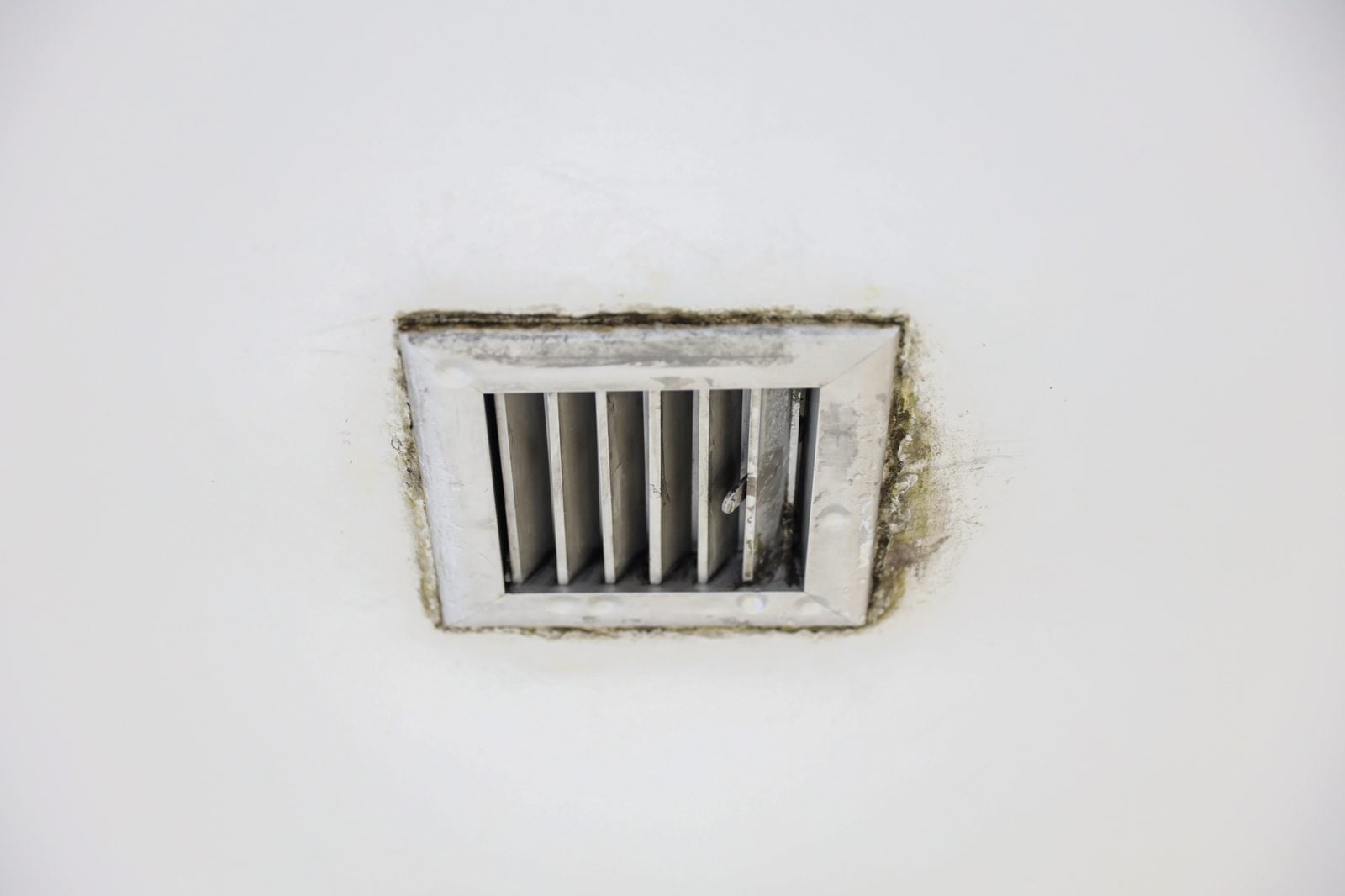
- ADHS says to remove the source of moisture first, because mold will return if the area becomes re-wetted.
- EPA says to dry water-damaged areas and items within 24-48 hours to prevent mold growth.
- EPA says homeowners can usually handle cleanup of a moldy area smaller than about 10 square feet themselves.
- ADHS does not recommend mold testing as the first step: if you can see or smell mold, you have a problem.
- EPA advises keeping indoor relative humidity below 60 percent, ideally between 30 and 50 percent.
What is mold remediation, in plain words?
Mold remediation is a planned cleanup that deals with both the mold and the water behind it. In a Phoenix home, it usually means finding the leak or humidity problem, sealing off the work area, removing materials that cannot be cleaned, cleaning the surfaces that can, and drying the space before anything is rebuilt.
Mold spores are present in almost every home, so no process makes a house spore-free. Remediation aims to remove active growth and the damp conditions that let it come back. For the longer comparison of terms, see mold removal vs. remediation.
What are the steps of mold remediation?
Most mold remediation jobs follow the same basic order, whether the growth is in a Phoenix bathroom, closet or attic. The details change with the size of the area and the materials involved, but the logic stays the same.
- Assessment. Look at the visible growth, check moisture in nearby walls, floors and ceilings, and find the water source.
- Fix the moisture. A plumbing leak, roof leak, clogged AC drain line or high humidity has to be corrected, or the mold returns.
- Containment. The work area is closed off with plastic sheeting so disturbed spores and dust stay in one place.
- Removal. Moldy porous materials such as soaked drywall, insulation and carpet pad are bagged and removed.
- Cleaning. Hard surfaces like studs, tile and metal are scrubbed and vacuumed with filtered equipment.
- Drying. The space is dried with dehumidifiers and air movers until moisture readings are back to normal.
- Checking. The area is looked over again, and some owners choose post-remediation clearance testing before walls are closed up.
Is mold remediation the same as killing mold?
No. Killing mold and remediating mold are different things. A spray can kill surface growth, but dead mold and its stains stay on the material, and the problem comes back if the spot stays damp. Remediation focuses on physically removing the growth and drying the area. That is why painting over mold, fogging a room or wiping a wall with bleach rarely ends the problem: none of those steps stops the leak.
Need help now? Call to be connected with a local provider in Phoenix who can check availability for your address.
When do I need mold remediation instead of a DIY cleanup?
You likely need professional mold remediation when the growth covers more than about 10 square feet, sits inside walls, ceilings, ducts or insulation, follows a flood or sewer backup, or keeps coming back after cleaning. EPA says homeowners can usually handle areas smaller than about 10 square feet themselves.
A small spot on a bathroom ceiling or window frame is often a weekend job with detergent, water and a stiff brush, as long as the surface is hard and the cause is fixed. Soft materials, a musty smell with nothing visible, or water from outside the plumbing call for containment and careful removal.
What should I do right now if I find mold?
If you find mold in your Phoenix home, start with the water, not the cleaner. Stop the leak if you can, take photos and leave the area undisturbed for now.
- Look for the source: under sinks, around the water heater, at the AC air handler and drain line, and below roof stains.
- Take clear photos of the growth and any water damage before touching anything.
- Do not dry-brush, sand or point fans at moldy spots, which can spread spores.
- Keep pets and other people out of the room while you work or wait.
- Never mix bleach with ammonia or other cleaners.
- If the area is large, hidden or tied to a flood, call to be connected with a local provider.
If you rent, tell your landlord in writing and check with them before any repair work begins.
Do I need a mold test before mold remediation?
Usually not. ADHS does not recommend mold testing as the first step and says that if you can see or smell mold, you have a problem. The next step is finding the moisture and planning removal, not identifying the species.
Testing can still help when the source is hidden, when a buyer or seller wants documentation, or as a clearance check after the work. If someone recommends testing, ask what question the results will answer.
What affects how big a mold remediation job is?
The scope of mold remediation depends mainly on how far the water traveled and what it soaked. Several things push a job from simple to involved:
- Size of the affected area and whether it spans more than one room.
- Materials involved. Tile and studs can often be cleaned. Soaked drywall, insulation and carpet pad usually have to go.
- Location. Attics, wall cavities, crawl spaces and ductwork take more setup than an open wall.
- Water type. Clean water from a supply line is handled differently than floodwater or a sewer backup.
- Rebuild work. Replacing drywall, cabinets or flooring after removal is a separate step that may need a licensed contractor.
- Clearance checks before the walls are closed.
A written scope that lists each item makes options easier to compare.
What happens during a mold remediation visit in Phoenix?
A typical visit starts with an inspection. The provider looks at the visible growth, takes moisture readings in nearby walls, floors and ceilings, and traces the likely water source, such as a supply line, roof leak or AC condensate line. Then they explain your options in plain terms, from a small cleanup to full containment and removal of damaged materials.
You should get a written quote before any work begins. Ask what will be removed, how the area will be contained, how drying will be measured, who handles any rebuild, and how the job will be checked at the end. Timelines depend on the size of the job and the provider's schedule. Learn more about mold removal and remediation or call to be connected with a local provider.
Why does mold remediation come up in a dry city like Phoenix?
Phoenix is dry most of the year, but water still finds its way inside. Sky Harbor's 1991-2020 average annual rainfall is 7.22 inches, and NWS says Phoenix averages 2.43 inches of precipitation during the monsoon, which NWS offices define as June 15 through September 30. On one day in late September 2025, Sky Harbor received 1.64 inches of rain, its highest one-day total since October 13, 2018.
Most indoor moisture comes from everyday sources. ADHS lists constant plumbing leaks, leaky roofs, flooding, backed-up sewers and humidifiers. EPA advises keeping AC drip pans clean and drain lines flowing. University of Arizona Cooperative Extension notes that evaporative coolers send cooled, humidified air into the home and recommends inspecting them monthly.
On the licensing side, Arizona law says it is unlawful to act as a contractor without a license in good standing unless exempt, and homeowners can look up a contractor in the Arizona Registrar of Contractors' online search. That matters for rebuild work after removal. Whether you live in Scottsdale, Tempe, Mesa or Glendale, the order is the same: stop the water, dry within 24-48 hours as EPA advises, and remove what cannot be saved. See all service areas around Phoenix.
Related pages
Questions people ask
What is mold remediation and how is it different from just cleaning mold?
Mold remediation is a full process: fix the moisture, contain the area, remove moldy materials, clean, dry and check the result. Simple cleaning only treats the visible surface and often misses the cause.
What does a mold remediation company actually do in a house?
A remediation provider inspects the area, finds the moisture source, seals off the work zone, removes damaged materials and cleans and dries what remains. Many also coordinate a final check before walls are closed.
Does mold remediation get rid of all the mold in my home?
No process makes a home completely free of mold spores, because spores are normal in indoor and outdoor air. Remediation removes active growth and the damp conditions that let it return.
Why do mold remediation crews put plastic sheeting over doorways?
The plastic is containment. It keeps spores and dust that get stirred up during removal inside the work area so they do not settle in clean rooms.
Can I stay in my house during mold remediation?
Often yes, for a contained job in one room, but it depends on the size and location of the work. Ask the provider which rooms to avoid and whether the HVAC system should be shut off during removal.
Will mold remediation crews have to cut out my drywall?
Usually, if the drywall is soaked, soft or has growth on the back side. Drywall is porous, so moldy sections are typically cut out and replaced rather than cleaned.
Is mold remediation worth it for a small patch in the shower?
Usually not. EPA says homeowners can usually clean areas smaller than about 10 square feet themselves, and a shower patch on tile or grout is often a scrub-and-dry job once ventilation is improved.
How do I know if the mold is inside my walls?
Clues include a musty smell with no visible growth, peeling paint, stains that spread, or soft drywall near plumbing or exterior walls. A moisture meter reading during an inspection can confirm where water is sitting.
What is containment in mold remediation and why does it matter?
Containment means isolating the work area, usually with plastic sheeting and filtered air equipment. It matters because removal disturbs mold, and without it spores can spread into other rooms.
What questions should I ask a mold remediation provider in Phoenix?
Ask where the moisture came from, what will be removed, how the area will be contained, how drying will be measured and how the result will be checked. Ask for all of it in a written quote before work begins.
Do I fix the leak first or start mold remediation first?
Fix the leak first, or at the same time. ADHS says to remove the moisture source before cleanup because mold returns if the area gets wet again.
Can mold remediation be done on an AC system or ductwork?
Yes, ducts and air handlers can be cleaned when mold is present, but the moisture cause, often a clogged drain line or dirty drip pan, has to be fixed too. EPA advises keeping drip pans clean and drain lines flowing.
Does a swamp cooler make mold remediation more likely in Arizona?
A swamp cooler adds humidity to the air it brings inside, according to University of Arizona Cooperative Extension. That does not mean it causes mold, but extra indoor moisture is worth watching with a humidity gauge.
Is mold remediation covered by homeowners insurance in Arizona?
It depends on your policy and the cause. The Arizona Department of Insurance and Financial Institutions says mold remediation not caused by a flood may be covered if it results from a sudden or accidental event, so check your policy and call your insurer first.
What do I need to document before mold remediation starts?
Take photos of the growth, the water damage and the source before anything is moved. During drying, keep a log of dates, times, names and equipment used, as DIFI suggests for water mitigation.
Can mold come back after professional mold remediation?
Yes, if the area gets wet again. Mold returns when moisture returns, so keeping indoor humidity below 60 percent and fixing leaks quickly matters as much as the cleanup itself.
How do I find a mold remediation provider near me in Phoenix?
Call the number on this page to be connected with a local provider for your address. Before any rebuild work, you can look up a contractor in the Arizona Registrar of Contractors' online search.
Talk to someone about your mold problem
Call to be connected with a local provider who can check availability for your address and explain the next step.