What Does Mold Look Like on Walls in Phoenix?
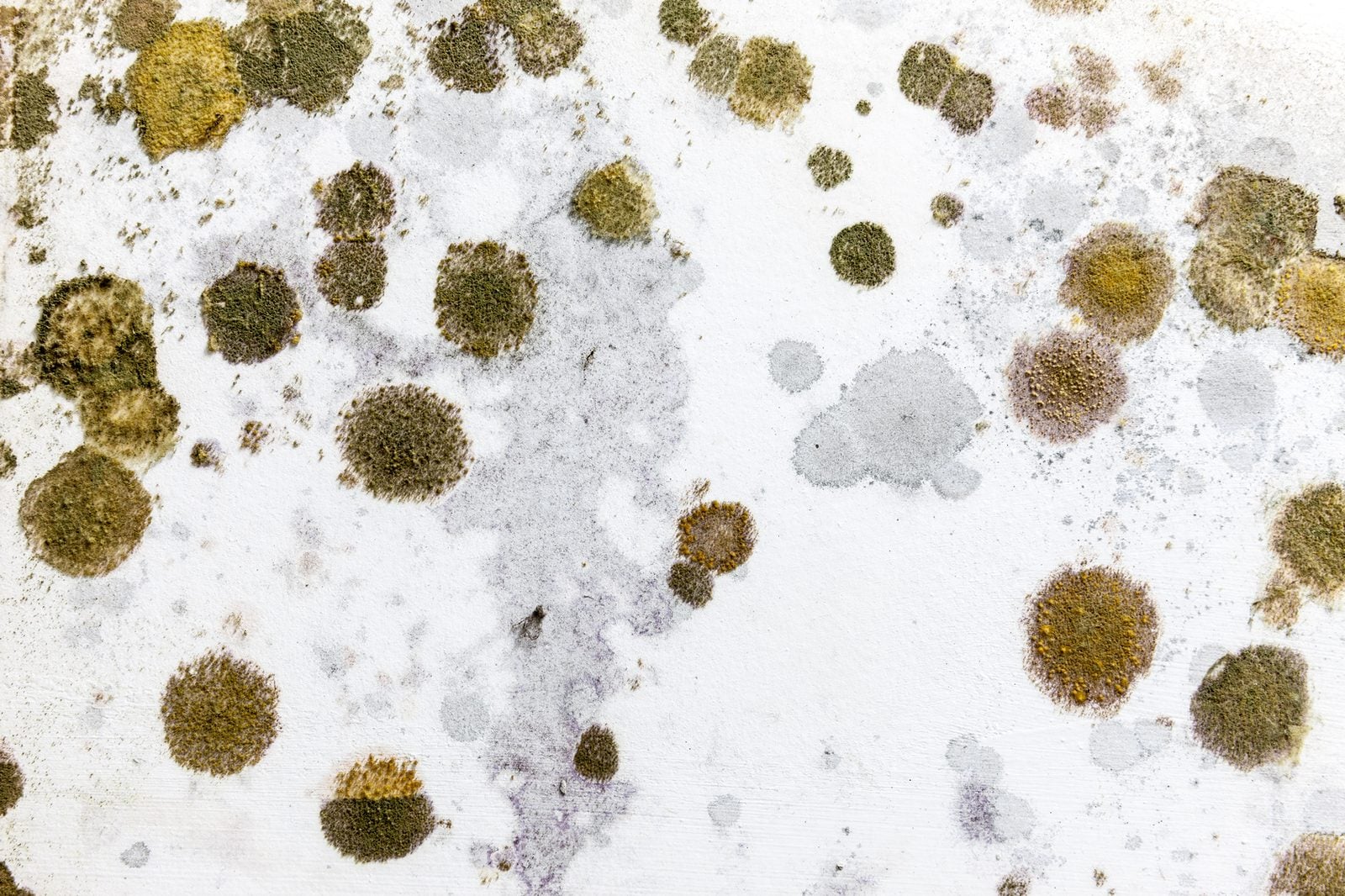
What does mold look like on walls? Usually it shows up as fuzzy or speckled spots in black, green, gray or white, a stain that keeps spreading, or paint that bubbles and peels near a water source. In a Phoenix home, where it grows tells you more than its color. If you see it, call to be connected with a local provider.
- ADHS does not recommend mold testing as the first step, and says that if you can see or smell mold, you have a problem.
- ADHS says to remove the source of moisture first, because mold will return if the area becomes re-wetted.
- EPA says homeowners can usually handle cleanup of a moldy area smaller than about 10 square feet themselves.
- EPA says to dry water-damaged areas and items within 24-48 hours to prevent mold growth.
- EPA advises keeping indoor relative humidity below 60 percent, ideally between 30 and 50 percent.
What does mold look like on walls?
Mold on walls usually looks like a cluster of small dots or a soft, blotchy patch that is darker or fuzzier than the paint around it. It can be black, dark green, gray, brown or white, and it often grows in a rough circle or a band along a corner, baseboard or ceiling line.
Up close, many people notice these clues:
- Speckles that spread. A few dots turn into a cloud of dots over a few weeks.
- Fuzzy or velvety texture. Some growth looks raised or slightly hairy, especially in damp corners.
- A stain with a ring. A yellow or brown water ring with dark spots inside it often means a leak fed the growth.
- Paint changes. Bubbling, cracking or peeling paint over a soft spot can mean moisture and growth behind the surface.
Two or three of these signs near a known water source is a strong hint. If spots keep coming back, call to be connected with a local provider.
How can I tell mold from dirt, soot or a shadow on my wall?
Dirt and soot usually wipe off with a damp cloth and stay gone, while mold tends to smear, leave a stain and come back in the same spot. Location is the other clue: mold shows up where there is moisture, and dirt shows up where hands, furniture or air flow touch the wall.
Some common look-alikes in Phoenix homes:
- Dust lines near vents and along the top of baseboards. These follow air flow and look even and gray.
- Mineral scale near showers and sinks. The City of Phoenix says hard water can cause scaling on fixtures such as faucets and showerheads, which leaves white crust, not fuzzy growth.
Wear gloves for a wipe test and do not sand or scrape the spot. If you cannot tell, treat it as mold and find the moisture source.
What color is mold on walls, and does the color matter?
Mold on walls can be black, green, gray, brown, pink, orange or white, and the color alone does not tell you what kind it is or how big the problem is. What matters more is how much area is affected and whether the material underneath is wet.
Black or dark green growth gets the most attention, and many people call it black mold. You cannot identify a mold type by eye. ADHS does not recommend testing as the first step, and says that if you can see or smell mold, you have a problem. The practical steps are the same for any color: find the water, dry the area and remove growth safely. For more on dark growth, see the guide to black mold removal in Phoenix.
Need help now? Call to be connected with a local provider in Phoenix who can check availability for your address.
Where on a wall does mold usually start?
Mold on walls usually starts where water collects or air stays damp: the bottom few inches near the floor, corners behind furniture, around windows, under sinks, behind toilets and on ceilings below bathrooms or roof leaks. These spots stay wet longer and get less air flow.
Look closely at:
- Bathroom walls and ceilings where shower steam lingers.
- Walls shared with a kitchen sink, dishwasher or washing machine, where a slow supply or drain leak can stay hidden.
- Walls near the AC air handler or water heater closet, where a condensate line or drip pan can overflow.
If growth shows up on both sides of a wall, or the drywall feels soft, the source is likely inside the cavity. For hidden growth, see signs of hidden mold in a Phoenix home.
Can mold be growing inside a wall even if the surface looks clean?
Yes. Mold can grow on the back of drywall, on studs and in insulation while the painted side still looks normal. Hidden growth often shows up first as a smell, a stain that slowly spreads, warped baseboards or paint that bubbles.
Other clues are a musty smell that gets stronger when the AC runs, soft drywall, and swelling baseboards. Do not cut into the wall yourself, since that can spread spores. A provider can check moisture with meters and decide whether the wall needs to be opened under containment. Learn how that works on the mold inspection and testing page.
Is a small patch of mold on my wall something I can clean myself?
Often, yes. EPA says that if the moldy area is less than about 10 square feet, roughly a 3 ft by 3 ft patch, homeowners can usually handle the cleanup themselves, as long as the moisture problem is fixed and the material is a hard or painted surface.
Safe general steps for a small patch:
- Find and stop the water. ADHS says to remove the source of moisture first, because mold will return if the area is re-wetted.
- Protect yourself. Wear gloves, eye protection and a mask rated for dust, and open a window or run a fan to the outside.
- Clean, do not sand. Scrub with detergent and water, then dry the surface fully. Never mix cleaning chemicals.
- Dry the area. Run a fan or dehumidifier until the wall is dry to the touch.
- Watch it. If spots return, the moisture source is still active.
Do not just paint over mold. It usually comes back through the paint.
When should I call someone about mold on my walls?
Call when the growth is larger than about 10 square feet, keeps coming back after cleaning, sits on soft or crumbly drywall, follows a leak or flood, or shows up in several rooms. Those signs point to moisture inside the wall that surface cleaning cannot reach.
Other good reasons to call:
- The growth is near the AC system or ducts, or the smell gets worse when the AC runs.
- You rent and need the landlord involved before work starts.
- Someone in the home has health concerns. Talk with a doctor about health questions, and leave the cleanup to someone else.
When any of these apply, call (623) 253-9981 to be connected with a local mold provider. For the bigger picture of what removal involves, see mold removal and remediation in Phoenix.
What happens during the visit?
A visit starts with an inspection, then an explanation of your options, then a written quote before any work begins. You decide what happens next.
- Inspection. The provider looks at the visible growth, checks moisture in the wall, floor and ceiling with meters, and looks for the water source, such as a plumbing leak, roof leak, AC drain line or swamp cooler.
- Options explained. You hear what can be cleaned, what may need to be removed, whether containment is needed, and what has to be fixed first so the mold does not return.
- Written quote. You get the scope in writing before work starts, so you can compare, check with your insurer and ask questions.
Take photos of the wall before anyone arrives.
Why do Phoenix homes get mold on walls in such a dry climate?
Phoenix is dry most of the year, but walls still get wet. Sky Harbor's 1991-2020 average annual rainfall is 7.22 inches, and NWS says Phoenix averages 2.43 inches of precipitation during the monsoon, which NWS offices define as June 15 through September 30. When a monsoon storm finds a gap in a roof or window, the water can sit inside a wall for days.
Indoor sources matter just as much. ADHS lists constant plumbing leaks, leaky roofs, flooding, backed-up sewers and humidifiers. EPA advises keeping AC drip pans clean and drain lines flowing, which is a common issue in homes that run the AC for much of the year. University of Arizona Cooperative Extension explains that evaporative coolers send cooled, humidified air into the living space and recommends checking them monthly. Walls near a cooler vent can stay damp.
Whether you live in Scottsdale, Tempe, Mesa or Glendale, the rule is the same. Dry water-damaged areas within 24-48 hours, as EPA advises, and keep indoor humidity below 60 percent. See all service areas around Phoenix, or call (623) 253-9981 to be connected with a local provider.
Related pages
Questions people ask
What does mold look like on walls when it first starts growing?
Early mold on walls usually looks like a few small dark or gray dots, or a faint cloudy patch, often near a corner, window or baseboard. Over a few weeks the dots spread and darken if the wall stays damp.
How do I know if the black spots on my wall are mold or just dirt?
Wipe a small spot with a damp cloth while wearing gloves. Dirt usually comes off and stays gone, while mold smears, stains or returns in the same place, especially near moisture.
Is white fuzzy stuff on my wall mold?
It can be. Soft, fuzzy white growth on drywall or wood is often mold, while hard, crusty white deposits near water fixtures are more likely mineral scale from hard water.
Can I just paint over mold on my wall?
No. Paint does not stop mold, and growth usually comes back through the new coat. Fix the moisture source, clean or remove the growth, and let the wall dry before painting.
Should I test the mold on my wall before cleaning it?
Usually not as a first step. ADHS does not recommend testing first and says that if you can see or smell mold, you have a problem, so focus on the moisture and the cleanup.
How big does mold on a wall have to be before I need a professional?
EPA says homeowners can usually handle an area under about 10 square feet. Larger areas, repeat growth, or growth on soft drywall are good reasons to call for help.
Why does mold keep coming back on the same wall?
Repeat growth almost always means the moisture source is still there. ADHS says mold will return if the area becomes re-wetted, so a leak, condensation or humidity problem has to be fixed first.
Can mold grow on walls in Phoenix even though it is so dry?
Yes. Plumbing leaks, roof leaks during monsoon storms, AC drain line overflows and swamp coolers can keep a wall damp long enough for mold to grow, even in a dry climate.
Can my swamp cooler cause mold on my walls?
It can add to the problem. University of Arizona Cooperative Extension explains that evaporative coolers send humidified air indoors, so walls near cooler vents can stay damp if the system is not maintained monthly.
Can a clogged AC drain line cause mold on the wall next to my air handler?
Yes. If the drain line backs up, the drip pan can overflow into nearby drywall. EPA advises keeping drip pans clean and drain lines flowing to prevent that.
What humidity level helps keep mold off my walls?
EPA advises keeping indoor relative humidity below 60 percent, ideally between 30 and 50 percent. A simple hygrometer can show you where your home stands.
How fast do I need to dry a wet wall to prevent mold?
EPA says to dry water-damaged areas and items within 24-48 hours to prevent mold growth. If a wall is still wet after that, it may need to be opened and dried.
Do I call my landlord or a mold company if I rent in Phoenix?
Tell your landlord first. DIFI advises renters to check with their landlord before any repair work begins, and the landlord can then arrange the inspection.
Does homeowners insurance cover mold on walls in Arizona?
It depends on the cause and your policy. DIFI says mold remediation not caused by a flood may be covered if it results from a sudden or accidental event, so check your policy and take photos first.
What happens when someone comes out to look at mold on my walls?
The visit starts with an inspection of the growth and the moisture behind it, then an explanation of your options, then a written quote before any work begins.
How do I find someone to check mold on my walls in Phoenix?
Call (623) 253-9981 to be connected with a local mold provider in the Phoenix area. Have photos of the wall ready.
Talk to someone about your mold problem
Call to be connected with a local provider who can check availability for your address and explain the next step.