Black Mold: What to Know
The phrase does a lot of work and explains very little. Phoenix Mold Experts sets out what people usually mean by black mold, why color is a poor guide, and what a measured response looks like in a Phoenix home.
- Upfront Quotes
- Inspection & Remediation
- Residential & Commercial
By the Phoenix Mold Experts team · Updated September 2026
What People Usually Mean
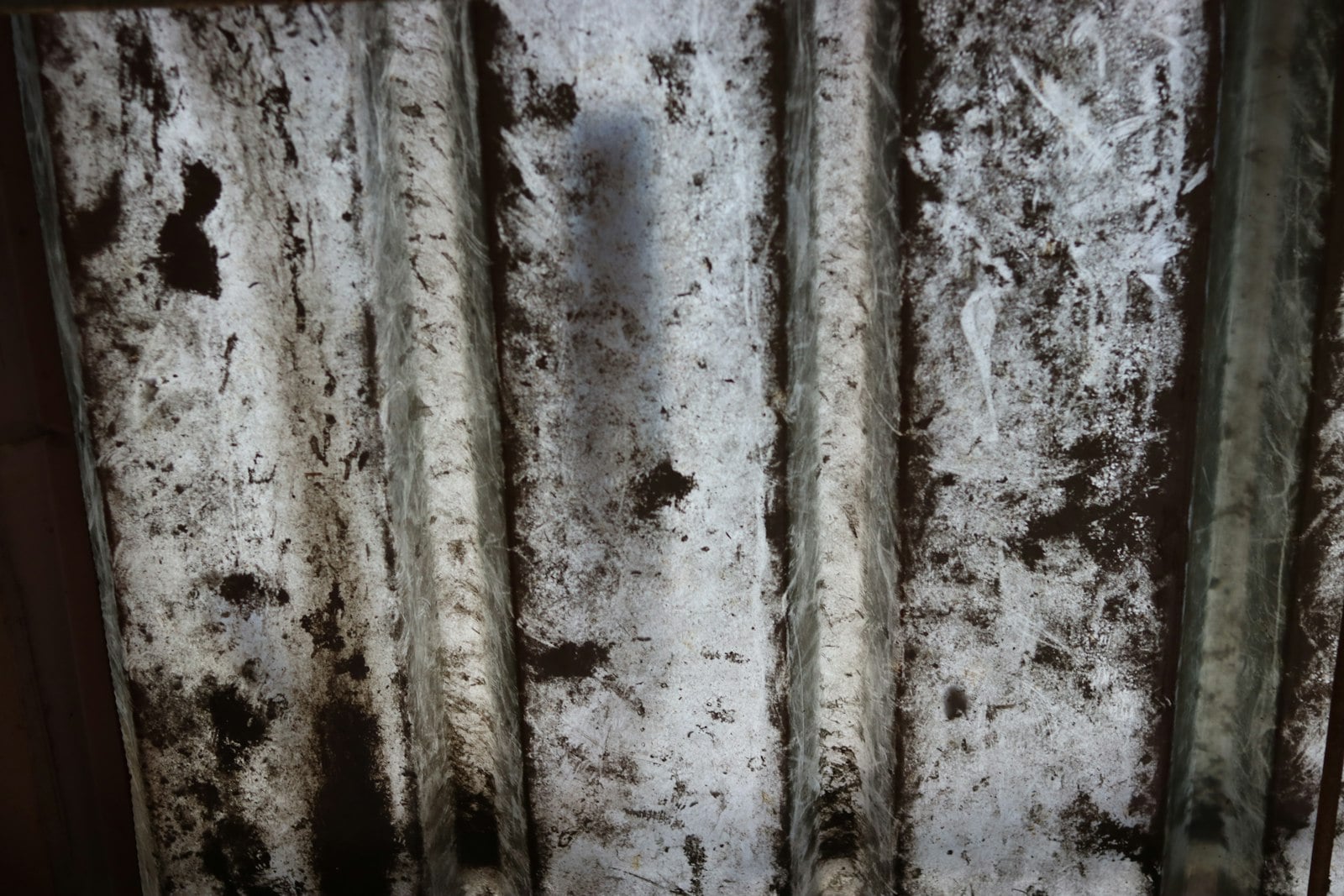
“Black mold” is shorthand for Stachybotrys, a genus that tends to appear on material that has been wet for a long time — paper-faced drywall, wood, cardboard stored somewhere damp. It looks dark, sometimes almost sooty, sometimes slightly slimy. It is real, and finding it tells you something useful: this material has been wet for weeks or months, not for a weekend.
What it does not tell you is how dangerous your situation is, because the visual identification is unreliable. Plenty of dark growth is a completely different genus, and plenty of growth people ignore because it is green or gray is the same family they would panic about if it were black.
Why Color Is a Poor Guide
Species identification needs a lab, and even then the practical answer rarely changes. If a porous material has visible growth on it and reads wet, it is coming out. If a hard surface has surface growth and the material behind it is dry, it can be cleaned. The name of the organism does not move either of those decisions.
This is why a good inspection focuses on moisture rather than on identification. The useful questions are where the water is, how far it has reached, how long it has been there and what is still feeding it. Those determine the scope, the price and the timeline.
The Health Question, Honestly
Mold can irritate, and people with asthma or allergies may react to it. That is as far as a remediation company should go. Anyone telling you that a particular species is causing a specific illness is outside their lane, and anyone offering to diagnose your family from a photograph is selling fear.
If someone in the house feels consistently worse indoors than outdoors, see a doctor about the symptoms and have the building inspected separately. The two run in parallel. The building side is straightforward: find the wet material, remove what cannot be saved, dry the rest and stop the water.
When Testing Is Worth It
Sampling has real uses. It helps when a smell is obvious and nothing is visible, when a tenant and an owner disagree about what is there, when a buyer wants a record before a purchase, or when you want a comparison after the work is finished. In those cases the paperwork is the point.
It is much less useful when growth is visible and the wet material has already been located, because you have the answer you need. Ask any company what it would do differently with the lab result. If there is no clear answer, the test is decoration.
How the Work Actually Runs
Whatever the color, a job on wet porous material runs the same way. The work area is sealed with sheeting, put under negative pressure and served by a filtered air scrubber. Supply and return vents inside the area are covered so the cooling system does not carry anything through the house. Affected material is bagged before it leaves.
What stays is cleaned rather than painted over, and the space is dried until a meter reads dry rather than until a set number of days has passed. At the end you should get photographs, the list of removed materials and the drying readings. That record is what proves the job was done.
Dark Growth in Phoenix Houses
In a desert city, long-term wet material usually means a slow, hidden source: a supply line under a slab, a condensate drain that has been overflowing quietly into a wall, a roof or parapet detail that only leaks in a heavy monsoon downpour, or an old evaporative cooler penetration on a mid-century roof. Each of those keeps material wet for months without anyone noticing.
Arizona has no separate state mold license, so there is no register to check. Ask any company what standards and training its technicians follow and whether findings and scope are written down. For an older home in the south of the city, mold remediation in Scottsdale describes the typical pattern.
Arrange an Inspection
If you are looking at dark growth right now, the most useful thing you can do is nothing. Do not scrub it, do not spray it, keep the room closed and photograph it. Disturbing established growth spreads spores through the rest of the house and turns a contained job into several rooms.
Then get readings. Black mold removal explains how dark growth is handled, a mold inspection establishes the wet boundary, and removal versus remediation sets out which scope your situation actually needs. Phoenix Mold Experts can tell you which one applies once you describe the room and the history — start on the request page.